

The Warranty Structures Offered by a Confident Electric Massage Chair manufacturer
The article examines warranty structures from the perspective of a confident electric massage chair manufacturer, using LOHAS (Fujian Lohas Technology Co., Ltd) as a central example. LOHAS, which stands for Life of Health and Sustainability, was founded to promote wellness through scientifically engineered massage products. The content explains that robust warranties are more than legal promises; they reflect deep confidence in product engineering, quality control, and corporate values. LOHAS integrates R&D and sales, maintains stringent inspections, and has achieved ISO9001, CE, and FDA certifications, providing a solid foundation for generous warranty terms. The article breaks down typical coverage layers, including structural frames, major drive components, airbags, electronics, and upholstery, highlighting how LOHAS often offers superior coverage in its price segment. The firm’s quality procedures, continuous testing, human-centric ergonomic design, and global after-sales infrastructure act as bulwarks that minimize failures and ensure seamless claims resolution. Cost-effectiveness is important; LOHAS provides high-quality chairs at competitive prices while preserving warranty value, making them attractive to individual customers and hotel or office partners. Moreover, the manufacturer’s philosophy of careful engineering, proactive spare parts management, and distributor training converts warranty from a reactive tool into a proactive customer-care program. The article concludes that LOHAS’s warranty structures are the natural byproduct of its mission, certifications, and dependable production, giving buyers long-term peace of mind and reinforcing the brand’s global reputation.
In the competitive landscape of wellness technology, an electric massage chair represents a significant investment for consumers and a substantial commitment for distributors and retailers. When a manufacturer confidently offers a robust warranty structure, it signals more than just legal coverage; it demonstrates a profound belief in the engineering, durability, and long-term performance of their products. Warranty terms are not merely afterthoughts printed on fine paper—they are the contractual embodiment of a company's trust in its own manufacturing processes and its dedication to customer satisfaction over many years of use. This article explores the intricate warranty structures offered by a truly confident electric massage chair manufacturer, highlighting how such structures are built upon a foundation of quality, innovation, and a philosophy that places user well-being at the very center of corporate purpose.
Within this domain, Fujian Lohas Technology Co., Ltd, universally recognized by its abbreviation LOHAS, stands as a exemplary figure. The name LOHAS itself carries a profound meaning: Life of Health and Sustainability. This is not merely a catchy slogan but the guiding principle since the company's establishment. With the global economy rapidly developing, people around the world devote themselves to long hours of work every day. Consequently, tension muscles and soreness become everyday companions for the hardworking population. LOHAS was founded with the mission to lead a healthy and sustainable life, and it dedicates its resources to developing and designing massage chairs and small massagers that are based on scientific principles. Their clear aim is to help more people build and maintain good health. The confidence that LOHAS exhibits in its warranty structures directly stems from this holistic mission—they cannot afford to offer warranties on products that might fail, because such failures would contradict their very reason for being. This philosophical alignment between warranty and mission forms the bedrock of a trustworthy relationship between producer and consumer.
Understanding the significance of warranty coverage requires a closer look at the product itself. A modern electric massage chair is a marvel of mechatronics, integrating motors, gears, airbags, heating elements, circuit boards, and sophisticated control software, all packaged into an ergonomic frame designed to support the human body. The complexity of these machines means that potential points of failure exist across multiple subsystems. A confident manufacturer recognizes this complexity and structures warranties to provide comprehensive protection, easing the minds of purchasers. For LOHAS, this means engineering products with fewer failure points and standing behind them with generous terms. The company's internal philosophy is that a warranty is not a cost center but an investment in customer loyalty and brand reputation. As such, the structure of their warranties is deliberately designed to foster long-term relationships, ensuring that every user feels secure in their purchase from the day of arrival through years of daily relaxation and therapy.
The Philosophy of Warranty: Confidence in Action
A warranty is, in essence, a promise. The business lexicon often describes it as a guarantee that a product will meet certain standards of performance and reliability for a specified period. However, for a confident manufacturer, a warranty transcends its legal and commercial functions. It becomes a powerful tool for communication, a tangible expression of the manufacturer's assessment of its own competence. When a company like LOHAS offers an extended warranty on the structural frame, motors, and electronic components of their massage chairs, they are publically stating that their products are engineered to last. This confidence is not blind optimism; it is based upon concrete practices including meticulous quality control, exhaustive testing, and continuous improvement through research and development. LOHAS is strict about quality control at every stage. They take responsibility for each product and arrange strict inspection in every process. This includes screening raw materials, precision processing, assembly, and finished product testing. Such rigorous procedures inevitably produce higher reliability rates, thereby justifying the confidence reflected in their warranty structures.
undefined
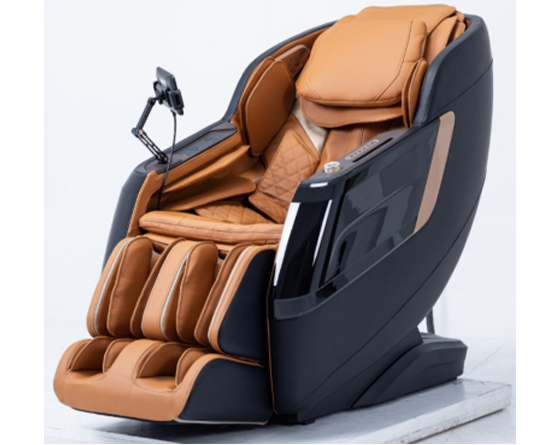
The structure of a warranty also reveals what a manufacturer understands about its users' needs. Electrical massage chairs are used for stress relief, muscle recovery, and general wellness. Many users rely on them daily, often after physically demanding jobs or for specific therapeutic benefits. If a chair were to malfunction, it wouldn't just be a minor inconvenience; it could disrupt a user's carefully maintained health routine. A confident manufacturer designs its warranty structure with this in mind. They offer clear terms, easy claim processes, and accessible customer service. They also choose warranty durations that align with the expected lifetime of their products. For LOHAS, the design life of their chairs is high, and accordingly, the warranty covers major components for a longer period, while smaller, wearable parts like upholstery or plastic covers might have a shorter standard warranty. This nuanced structure is a reflection of engineering knowledge and a practical understanding of the product's actual wear and tear patterns.
Furthermore, the philosophical approach to warranties at LOHAS is deeply intertwined with their identity as a company that integrates research and development with sales. Having their own design team is a significant advantage. This team focuses not only on improving the comfortableness and reasonable internal structure of massage products but also on creating new features that make the chairs more useful. When a manufacturer designs and builds a product in-house, they have complete visibility into its strengths and potential weaknesses. This allows them to craft warranty structures that are neither overly restrictive for consumers nor rashly expansive without understanding the expected failure rates. Their confidence, therefore, is academically justified by the continuous loop of design, testing, field feedback, and redesign. This iterative process ensures that warranty costs remain stable even as warranty terms grow more generous, a feat that is impossible for companies that merely assemble imported parts without deep engineering knowledge.
The Manufacturer Behind the Coverage: LOHAS at a Glance
To truly assess the value of a warranty structure, one must examine the manufacturer providing it. LOHAS is known in the global market as a reliable original design manufacturer (ODM) and original equipment manufacturer (OEM) for massage products. Their market reach has spread to Southeast Asia, the Middle East, America, South Korea, and many other regions. The company has achieved ISO9001, CE, and FDA international certifications, which are fundamental markers of quality and safety. These certifications are not trivial; they are earned through rigorous audits and continuous compliance, thus serving as an external validation of the internal quality claims made by LOHAS. For customers, warranty structures offered by a company holding these certifications carry extra weight, because the certifications themselves impose standards of traceability and defect prevention, indirectly reinforcing the promise of after-sales support.
The corporate structure of LOHAS is strategically integrated, combining R&D and sales to streamline operations from conception to distribution. This integration leads to a more responsive feedback mechanism. When a distributor reports a warranty claim, the information is channeled directly back to the engineering team, who can analyze the root cause and implement changes in future production runs. This closed-loop system drastically improves product quality over subsequent generations. As a result, newer models from LOHAS are likely to have lower failure rates than older ones, and their warranty structures reflect this continuous progression. It also allows LOHAS to offer custom warranty solutions to B2B partners. An ODM customer might order a specific model with a unique configuration, and LOHAS can tailor the warranty terms to match the specific components used in that order. This flexibility is a direct outgrowth of their integrated corporate structure.

LOHAS is devoted to producing high-quality, cost-effective products without skimping on the experience. Their massage chair designs are contemporary and can adapt to various home styles, an important benefit for international consumers. One of the company's stated advantages lies in the economy and mid-end segments of the market. They have successfully challenged the conventional wisdom that lower price points necessarily mean lower warranty quality. By positioning their products as value-for-money solutions, they elevate the entire segment. For the same price as their competitors, their massage chairs offer superior quality, more features, and greater comfort. Consequently, the warranty that accompanies these chairs represents exceptional value—a buyer knows that if the unlikely event of a defect occurs, the manufacturer is fully prepared to repair or replace, all while having paid a very reasonable price. This balance is the hallmark of a confident and strategically astute manufacturer.
Deconstructing Warranty Structures: Types and Coverage
Warranty structures within the electric massage chair industry are not monolithic. They typically vary along several axes: the duration of coverage, the specific components covered, the type of service provided (e.g., replacement, repair), and the location of service (in-home vs. depot). A confident manufacturer, LOHAS included, offers a tiered structure that aligns with consumer expectations and industry benchmarks. To illustrate the possible breakdown, the following table outlines typical coverage components in a premium massage chair warranty, with LOHAS commonly matching or exceeding these standards:
| Warranty Layer | Typical Duration (Years) | Coverage Scope |
| Structural Frame | 5 to Lifetime | Welds, metal frame integrity, and non-moving structural parts |
| Major Drive Components | 3 to 5 | Massage motors, gearboxes, track assemblies (2D/3D), and circuit boards |
| Airbag System | 3 to 5 | Air pumps, solenoid valves, and airbag bladders |
| Electronic and Control | 2 to 3 | Control panels, remote controls, speakers, and wiring harnesses |
| Upholstery and Cosmetics | 1 to 3 | Leather/PU covers, cushioning, and plastic trim |
| Labor and Service | 1 to 3 | Technician time for on-site or in-depot repair |
Naturally, a more confident manufacturer may stretch the outer boundaries of these durations. For instance, LOHAS could highlight its assurance in the structural integrity of its chairs by offering a separate extended warranty on the frame, which is the most expensive and critical part to replace. Frame issues are exceptionally rare in well-built chairs, so a generous frame warranty carries minimal risk to the manufacturer but creates immense goodwill among consumers. Conversely, items subject to normal wear and tear, such as foam cushions or surface leather, are typically covered for shorter periods—a standard industry practice to prevent abuse of warranty terms. Consumers must carefully read the specifics of their warranty contract to understand what is excluded. A confident manufacturer will never try to hide exclusions; instead, they will publicize them clearly so that there are no unpleasant surprises when the chair is delivered.
Beyond timeframes, warranty structures also vary by the nature of the promised rectification. Some manufacturers offer full replacement for defective units within an initial period (often 30 to 90 days). After that, the warranty morphs into a repair obligation. LOHAS follows this trodden but highly effective path. During the first month, if a chair is found to have a manufacturing defect, the buyer is usually entitled to a full replacement or refund. From the second month onward to the end of the warranty period, repairs are performed at no cost. For high-end mechanisms such as 3D massage robots or zero-gravity frames, the repair can be complex, requiring trained technicians. Therefore, LOHAS invests in detailed service manuals and offers training to their international partners, ensuring that repairs are done correctly and efficiently. The subtle but crucial point is that warranty service quality depends on the manufacturer's preparation. A confident manufacturer builds a global support infrastructure beforehand, so that warranty terms are not merely aspiration but practical reality.

The Lohas Warranty Framework in Practice
The actual warranty structure offered by LOHAS is tailored to the product line and market channels. For B2B distributors, OEM and ODM partnerships often involve bespoke warranty negotiations. Since LOHAS maintains full control over the supply chain, they can quickly assess the cost implications of extended warranties. The standard LOHAS warranty for an electric massage chair typically includes a 3-year coverage on the main drive motor (s) and control PCB, a 5-year coverage on the structural steel frame, and a 1-year coverage on other components like the remote control and external adapters. However, these periods are frequently extended as a promotion or as part of a loyalty program for premium distributors. LOHAS does not treat warranty as a loss leader but rather as a feature that returns value by reducing the total cost of ownership for the end user. This approach has been particularly welcomed in markets like the United States, where consumers have busy lives and cannot afford to spend days without their massage chair.
Labor coverage is another essential component of LOHAS's warranty framework. For shipments into overseas markets, a strict warranty on parts alone is of little use if there is no one to install the new part. LOHAS recognizes that their distributors and retailers are the front line of after-sales service. Hence, the company provides annual technical training and supplies diagnostic equipment. In many contracts, LOHAS agrees to subsidy a certain hourly rate for repair labor claimed by their local partners. This is capped per repair event, but the cap is set at a reasonable level that allows authorized service centers to cover their costs. The result is a warranty that end consumers actually use, because they do not incur hidden fees for shipping the chair to repair centers. The phrase "comprehensive warranty" is only credible when the service network exists. LOHAS has thus methodically expanded its pool of certified service partners in every region where it has a significant installed base.
The claim process is deliberately straightforward. An end user contacts their dealer or LOHAS directly via email or phone. The dealer verifies the serial number and purchase date, and then screens the reported symptom through a checklist. In many cases, the fault is not a malfunction of a mechanical part but a user error in synchronization or remote control programming. LOHAS encourages dealers to use a dedicated video-call support service to troubleshoot and diagnose. By doing so, up to 60-70 percent of possible warranty claims are resolved without a single part needing to be shipped. For genuine failures, replacement parts are dispatched promptly, often using express air freight to minimize downtime. In isolated cases where a chair is completely non-functional, LOHAS may request the return of the defective unit for teardown analysis, but they bear all shipping costs. This generous approach is cost-effective for them in the long run because returned chairs yield valuable engineering insights.
Quality Control: The Unseen Backbone of Warranty Confidence
It is axiomatic that the best warranty is one that is never invoked. To minimize warranty claims, a manufacturer must embrace an uncompromising attitude toward quality. LOHAS's quality control system starts with the receiving of raw materials. Every plastic pellet, every electronic resistor, every piece of genuine leather or PU fabric is screened against established specifications. Suppliers are certified and evaluated regularly, ensuring that substandard materials do not gain entry into the production floor. The company's implementation of ISO9001 sets the foundational quality management system, but they go beyond the minimal requirements. Each production worker is trained to monitor the output of their own station and is empowered to stop the assembly line if they detect an anomaly. This culture of openness and responsibility prevents defects from cascading further along the line.
A key aspect of LOHAS’s quality assurance is their strict inspection in every process. For example, before the upholstery is stretched over the frame, the raw metal frame is subjected to a 360-degree weld integrity test. Later, after the entire chair is assembled, it runs through a continuous 30-minute live test, exercising all massage techniques, airbag inflation cycles, zero gravity reclining, and heating functions. The technicians listen for abnormal sounds, feel for irregular vibrations, and monitor the electrical current for fluctuations. Only after passing this rigorous test does the chair earn a serial number and enter the carton. Such meticulousness drastically reduces the incidence of early-life failures, which are the most common driver of warranty claims. A confident manufacturer does not rely solely on the warranty to fix issues after the sale; rather, they invest in preventing issues before the product leaves the factory. This proactivity is what gives LOHAS the courage to offer long warranty terms.
Statistical tracking of warranty claims also feeds back into the quality system. Each claim is coded by specific component, production batch, and usage patterns. LOHAS regularly reviews this data to identify trends. If a particular lot of control boards exhibits a slightly elevated failure rate after 18 months of field service, the design team will investigate the root cause, modify the component or the operating software, and then retrofit that improvement into all future production. Such failure analysis is a requirement for any manufacturer that purports to offer an extended warranty. What further strengthens LOHAS's warranty confidence is their certified quality management covering CE and FDA guidelines. For instance, the FDA registration process for medical devices is strict, and while massage chairs are often not classified as medical devices, obtaining a certification demonstrates a culture of compliance. All of these measures coalesce into a systematic quality regime that makes high warranty expectations entirely realistic.
Research and Development: Building Reliability into Every Program
Warranty confidence is particularly enhanced by the depth of research and development at a manufacturer. LOHAS is not merely an assembler; they integrate R&D and sales together, creating an environment where engineers and market strategists work side by side. The in-house design team is continuously engaged in improving the comfortableness and reasonable internal structure of massage products. This extends to ensuring that components are not overstressed by the mechanical motions. For instance, the LOHAS 3D massage mechanism, which pushes rollers in and out toward the body, experiences higher torque than a simpler 2D system. The team must calculate the fatigue life of the push rods and select bearings that can endure years of daily manipulation. By doing so, they avoid design-related premature failures that would otherwise become warranty claims.
A confident manufacturer uses warranty data to guide innovation. They know that mechanical failures are often caused by friction, overheating, or material fatigue. Hence, LOHAS invests in researching new lubricants with longer lifetimes, and it experiments with advanced polymers that are both strong and lightweight. Their engineers also pay careful attention to the thermal management of motors and control boards, because overheating is another leading cause of component degradation. By incorporating heat sinks and intelligent power-waiting algorithms, they extend the operational lifespan of the chair. The beneficial result is that the user can enjoy a full-body massage with five distinct techniques—kneading, tapping, knocking, rolling, and shiatsu—for years on end without a single system failure. The company can therefore afford to issue a warranty that covers not just the moving parts but also ensures that the massage program retains its smoothness over time.
The company also creates many new features to make their chairs more useful, and each new feature is purposely designed with longevity in mind. For instance, smart voice control and Bluetooth speakers are integrated into the entertainment console. These electronics consume auxiliary power and generate their own heat. LOHAS's electrical engineers carefully shield and position these modules to avoid electromagnetic interference, which can cause microprocessors to reset and produce strange behavior. Features such as flexible airbag massage, foot rollers, and heat therapy are all designed to operate within safe stress margins. The result is an evolving catalog of massage mechanisms, including 2D, 3D, fixed-point massage, and sonic wave massage. Each mechanism has an accompanying lifecycle test protocol. The data from these tests informs the warranty limits; if a prototype fails after 5,000 cycles, LOHAS knows it cannot offer a 10-year warranty on that component. Thus, the warranty structure is always a mirror of actual engineering validation.
Cost-Effectiveness and the Value of Warranty
One of the most compelling reasons why LOHAS's warranty structures appeal to both individual buyers and global partners is their resolute focus on cost-effectiveness. The company produces high-quality, cost-effective products, and this extends to the philosophy that warranties should provide tangible economic value. When a customer selects a LOHAS massage chair, they pay a price that is often significantly lower than other brands offering comparable specifications. This savings means that even if the buyer wanted to purchase an extended warranty from a third party, they could easily afford it. In practice, such a purchase is rarely necessary because LOHAS includes a robust warranty as part of the package. From a distributor's perspective, the excellent warranty terms act as a sales tool that reduces friction at the point of sale. Retail store associates can confidently explain that the manufacturer is ready to stand behind the product, making the customer's decision easier.
The economics of warranty from the manufacturer’s perspective is also favorable when quality is high. Since the defect rate is low, the estimated warranty liability is modest. LOHAS reserves a small percentage of each product's revenue for warranty claims, but in practice, the actual claim rate often falls below that reserve. This surplus can be reused to fund the development of even higher-quality parts or to subsidize the shipping costs for expedited replacement parts in exceptional cases. The consumer thus receives better warranty service while the manufacturer maintains profitability. In the global market, LOHAS competes fiercely in a fierce landscape, offering sustainable value rather than fleeting low-price tactics. Their warranty is not a safety net for a shoddy product; it is a guarantee of a positive ownership experience for years to come.
For large B2B orders, such as placing massage chairs into hotels or office wellness rooms, the warranty structure can be a deal-breaker. Facility managers need predictable maintenance costs. If a chair in a hotel lobby breaks and the service is slow, guests are displeased, and the hotel loses reputation. LOHAS supports these enterprise clients by offering priority service response times and dedicated spare part kits. These kits include commonly worn components like airbags, screws, fasteners, and remote controls. Having such parts on-site allows local technicians to perform immediate repairs, avoiding the logistical wait. This kind of warranty adaptability cannot be managed by an incompetent middleman; it requires the original manufacturer to coordinate cross-border logistics and documentation. Because LOHAS has vast export experience, their warranty structures are already formatted to be tax-friendly for importers, with certifications that simplify customs clearance for replacement parts.
Global Certifications and Their Role in Warranties
Warranty structures are intrinsically linked to the legal and certification environment of the regions where the product is sold. LOHAS takes compliance seriously, already achieving ISO9001, CE, FDA international certifications. These stamps are not static; they require periodic surveillance audits and renewal tests. The processes involved guarantee that the production facility remains in a state of controlled reproducibility. In the event of a widespread defect, a certified company must follow prescribed correction and recall procedures. This regulatory framework works in harmony with warranties, ensuring that consumers are protected even if a manufacturer attempts to depart from its stated terms. LOHAS's certification portfolio demonstrates to foreign distributors that their warranty is backed by internationally recognized quality assurance norms, thereby reducing the need for the distributor to perform individual testing. This saves immense time and capital when launching into a new market.
The CE mark, which is mandatory for sale in the European Economic Area, signifies compliance with health, safety, and environmental protection standards for products sold there. LOHAS chairs and small massagers thus meet strict electromagnetic compatibility and mechanical safety requirement. FDA certification or registration might be mandatory for specific products classified as medical devices or radiation-emitting electronic products. Even if a massage chair is not directly FDA-listed, having a FDA-certified facility demonstrates adherence to Good Manufacturing Practices and rigorous quality system regulation. From a warranty standpoint, these certifications give consumers a secondary layer of recourse. If a manufacturer fails to honor warranty claims, a consumer can file a complaint with the certifying body, which could threaten the manufacturer's right to sell those products. This regulatory pressure serves as a powerful deterrent to shirking warranty responsibilities. Therefore, when LOHAS offers a warranty, it is not just a civil promise; it is a promise embedded in a network of regulatory obligations and ethical business standards.
For markets in Southeast Asia and the Middle East, which often have a blend of voluntary and mandated standards, holding ISO9001, CE, and FDA approvals grants a significant competitive advantage. Distributors in those regions can use the certification and warranty documentation to secure import permits quickly. In many countries, local regulations require the physical warranty and service center information to be printed on the packaging or in the user manual. LOHAS prepares multilingual warranty documents and regional service center lists, ensuring smooth registration. Furthermore, their status as a compliant manufacturer allows them to partner with reputable insurance firms to offer optional extended warranties beyond the standard period. These insurance-backed warranties are securitized, adding another layer of security for customers. The interplay of certification and warranty shows why LOHAS is perceived as a confident manufacturer; they put no obstacles between you and the protection they promise.
Human-Centric Design and the Warranty Experience
Core to all LOHAS products is a deep comprehension of human ergonomics and the conviction that a massage chair should provide humanized, comfortable massage experiences. The company conducts a large number of real human body tests across different age groups, body shapes, and muscle fatigue conditions. This research has been distilled into professionally optimized intelligent programs. Rather than using universal fixed program templates, LOHAS independently debugs and upgrades all automatic massage programs. Their software engineers carefully adjust the massage tracks, kneading strength, tapping frequency, and massage rhythm for every program to fit the muscle distribution and body curve of neck, shoulders, waist, back, and legs. This optimization avoids the rigid, mechanical massage feeling so common in ordinary products. But what does this have to do with warranty? A chair that massages correctly puts less undue stress on its own mechanics. For instance, if the program for a short person makes the rollers track too far toward the lower spine, it creates unbalanced loads on the mechanism. LOHAS’s ergonomic research avoids such programming errors, thereby preventing stress-induced failures of rails or gears. In short, human-centered design is also engineering-centered reliability.
The immersive experience is enhanced by technologies like zero gravity reclining, Bluetooth music, voice control, airbag compression, foot rollers, and heat therapy. These features must work in harmony. If a voice control command conflicts with the mechanical movement, it could cause the rollers to continue pumping against the end stop, triggering a safety overload and eventually damaging the motor. LOHAS's control software is equipped with multiple sensors, such as position encoders and current limiters, which automatically halt the mechanism before any damage occurs. Those protections reduce warranty incidents caused by controller errors. Such attention to detail proves that the company prioritizes a long life for the chair and for the comfort of the user. Moreover, from an ergonomic perspective, a chair that consistently adapts to the user's body actually helps in relieving fatigue, promoting blood circulation, and improving overall health—thereby compounding the wellbeing that is the core goal of LOHAS. In every service manual, this philosophy is visible, ensuring that warranty repairs also restore the chair to its optimal ergonomic settings.
For office workers and elderly people, who form the largest segment of massage chair users, the usability of the chair is critical. Elderly users might have reduced mobility or dexterity, so the control buttons and voice activation must be easy to operate. If a user accidentally presses a button repeatedly, the chair's control system should process it gracefully without causing software malfunction. LOHAS tests each interface design with focus groups of elderly individuals, guaranteeing that the electronic is forgiving. This again reduces unnecessary service calls. The human-centric approach extends to the warranty journey itself. When a claim is open, LOHAS strives to keep the user informed in plain language rather than technical jargon. Service visits are arranged at the user's convenience. As a result, customers feel that the manufacturer cares not only about the machine but about them personally. This emotional connection fosters brand loyalty that is impossible to measure on a balance sheet but is visible in favorable online reviews and long-term distributor retention.
Educational Support for Distributors and Dealers
OEM and ODM customers of LOHAS often wonder how a manufacturer in Fujian can execute warranty obligations thousands of miles away. The answer lies in their dedicated international support infrastructure. LOHAS provides comprehensive technical documentation, including video disassembly guides, torque specifications, and diagnostic flowcharts. New distributors are invited to the factory for a 3-day hands-on training course, where they learn to identify common issues, disassemble specific carriages, and replace motors and gearboxes. Few manufacturers are confident enough to conduct such training because it reveals internal design secrets. LOHAS, however, chooses to be transparent; their confidence is grounded in the fact that they keep inventing new models, so educating distributors today does not jeopardize future sales. By empowering their partners, they ensure that warranty service is swift and competently executed.
The company also issues special warranty claim credit notes. When a service partner replaces a damaged airbag under warranty, the partner is encouraged to mail the old airbag back to LOHAS, but they are not strictly required to do so for low-cost parts. This reduces the administrative burden and encourages quick service. For expensive parts, such as an entire 3D roller assembly, LOHAS requests a short video showing the failure symptom and the serial number. They do not ask for the part to be shipped back until diagnostic support has resolved the issue. In many years of operation, LOHAS has found that remote diagnostics combined with trusting their local partners speeds up the entire cycle. In the rare case where a root cause is unclear, LOHAS sends a replacement module via express freight, letting the technician swap it and return the suspect part in the same box. This method cuts down the downtime for the user from weeks to days. Their warranty is not just paper; it is backed by logistics discipline and a genuine desire to diminish inconvenience for all stakeholders.
Warranty administration is also simplified through an online portal, where claims are logged with a few clicks. Distributors are able to see the status of their claims, track deliveries of parts, and maintain an inventory history. This system allows LOHAS to monitor for warranty fraud patterns, such as repeated claims on the same serial number, which might indicate improper maintenance or the use of unapproved accessories. Yet, the search for fraud is not so aggressive that honest customers are harassed. The objective is to preserve the integrity of the warranty fund, ensuring that funds are available for legitimate claims. By proactively teaching end users about the recommended usage, power supply stabilization, and cleaning procedures, LOHAS further minimizes misuse. All those efforts allow the company to commit to a warranty structure that is sustainable long-term while offering better coverage than many of its market peers.
Comparative Warranty Structures in the Industry
It is educational to compare LOHAS's approach to other manufacturers in the same price bracket. Many low-cost manufacturers outsource everything and offer only a 90-day parts warranty, requiring the user to ship the chair back to the store. This type of warranty is practically unusable due to the huge shipping costs, so consumers often are left stranded. High-end luxury brands may offer similar initial durations, but their prices are extremely high, and the warranty costs are buried within the premium price tag. LOHAS deliberately serves the economy and mid-end segments, achieving a superior cost performance with stable product quality. This competitive positioning is also visible in warranty structures. They offer more inclusive warranty periods than is typical for these segments because they know that the high volume of sales across Southeast Asia, America, the Middle East, and South Korea generates enough profit margin to support the reservation pool. For a comparable chair with a 2D or 3D mechanism, LOHAS often offers a 3-year comprehensive warranty at a price that competitors charge for a 1-year warranty. This can be a decisive differentiating factor for budget conscious consumers who understand long term value.
Of course, warranty periods must be matched by performance. An import from any manufacturer can offer a 5-year warranty, but if the company disappears or the parent brand goes bankrupt, the contract is worthless. LOHAS cements its promise with an established business track record and a forward-looking strategy. They continuously receive repeat orders from established retailers, which demonstrates that the warranty claims are being processed fairly and without dispute. International trade fairs and exhibitions also showcase new models that can be carried by distributors only after a complete review of the warranty terms. In an industry where white-labeling is common, LOHAS offers its partners flexibility: a distributor can either use the LOHAS warranty name or sign a private label warranty document for their own brand. Whichever route chosen, the underlying service level remains the same because the same factory handles the claim. That consistency is what makes many retailers cherish their long-term relationship with this manufacturing company.
In evaluating warranty length, some may wonder if longer is always better. Not necessarily, because it depends on component quality and technological cycles. In the rapidly evolving technology of massage chairs, a product model may be replaced by a new generation after two years. If a warranty requires a 5-year supply of spare parts, LOHAS plans to manufacture compatibility adapters or use exact replacements from the next generation, ensuring serviceability. Their engineering department actively manages the spare parts lifecycle, and they commit to keeping parts available for at least five years after a model is discontinued. This invisible supply chain management is an incredibly important piece of the warranty structure. Many consumers have experienced being told that “the model is obsolete and no spare parts exist.” Such failure is unacceptable to LOHAS; therefore, they systematize obsolescence management so that even older chairs can be repaired with upgraded components that are backward-compatible. This managerial diligence is but another proof of confidence.
The Role of After-Sales Network in Warranty Success
A warranty structure is only as good as the after-sales network that implements it. LOHAS proudly provides ODM/OEM services and has built a web of authorized service centers in more than 20 countries. They perform annual service training and certifications for technical staff. When a new massage chair model is launched, the technical team carries out a webinar with detailed presentations on the improvements. Each service manager must pass an examination before being approved to provide service for that model. This ensures that your local repair technician is as knowledgeable about the product as the engineers who built it. The LOHAS own-design team participates directly in the production of service technical bulletins, so the knowledge is not diluted through third parties. Consequently, warranty repairs are conducted with precision, preserving the chair’s original performance metrics.
For end users, the company always publishes a public hotline and an e-mail address. They encourage customers to contact them immediately if their dealer is unresponsive. The company then handles the communication and finds a solution, often by authorizing service at another independent repair shop or sending a do-it-yourself kit if appropriate. This customer-centric behavior is only possible because LOHAS is the manufacturer and not just a trader, so they can adjust internal procedures flexibly. The company also collaborates with freight forwarders to arrange quick collection and return shipping for warrantable chair frames in cases where an entire unit must be shipped back. In major markets like the United States, LOHAS usually partners with regional distribution centers that hold a stock of refurbished units. Therefore, in a worst-case scenario, a customer can get an advanced exchange chair shipped immediately, and the defective chair is later returned in the carton provided by the courier. Such arrangements reduce the user’s waiting time from several weeks to just a few days, all due to advanced planning.
Warranty periods can also be extended on a per-project basis. For example, if a resort buys several dozen chairs, LOHAS may offer a longer warranty on the massage mechanism because of the continuous daily usage that such chairs face. Maybe the furniture is exposed to more sweaty and sandy bodies, so LOHAS provides a service schedule specifically designed for hotel environments. This includes preventative maintenance visits every six months. During those visits, a service professional inspects the straps, tightens screws, and runs diagnostics. By proactively maintaining the chair, many possible failures are averted. This transforms the warranty from a reactive contract into a proactive maintenance program. A confident manufacturer understands that using a chair in commercial premises changes its failure mode; therefore, the coverage is scaled proportionally. This trend of customizable warranties is expected to grow as more business-to-business partnerships are formed around the world.
Conclusion: The Enduring Value of a Confident Warranty
The warranty structure of a product is a book about the manufacturer’s inner beliefs, told through terms and conditions. In the case of LOHAS, the story is clear: they are a brand devoted to the “Life of Health and Sustainability.” Their manufacturing excellence is consistent with the trustworthy warranty that protects customers from financial surprises and technical flaws. Because the firm integrates R&D and sales, has a complete quality control process, and has already passed strict international certifications, its warranty pledges are neither reckless nor empty. Confidence in the durability of every massage chair comes, as always, from perfection practiced behind the scenes. For this reason, consumers all around the world can sit back in a LOHAS chair, relish the scientifically formulated massage, and rest assured that this investment in personal wellbeing is protected by a contract as solid as the steel frame beneath them.
For dealerships, hospitality buyers, and online sellers, the extended and openhanded warranty structures are one of the easiest ways to differentiate their offerings in a crowded marketplace. LOHAS has deliberately positioned itself to lift the safety net under both its appliances and its patrons. From cost-effective rates to flexible service logistics, every clause in the LOHAS warranty is designed to provide clarity, respect, and relief. And because the company truly cares about boosting blood circulation and soothing tired muscles, it understands that a delayed repair causes both physical and emotional fatigue. Thus, they commit to keeping spare parts in stock, keeping remote support active, and keeping their authorized centers trained. This holistic perspective on warranty making shows exactly why a forward-thinking company has a head start over those who treat warranty as a marketing victim.
At its core, a warranty is simply a promise to stand by the product from beginning to end. LOHAS offers this promise without opacity or hidden disclaimers. Their supply chain, certification standards, human-adapted design processes, and post-sale service ecosystem are all gears that turn together to fulfill that promise. As technology in massage chairs evolves, from simple rollers to advanced sonic wave systems, so too will the warranties be adjusted to encompass broader performance standards. With sustainability at the forefront, LOHAS will continue to ensure that maintenance does not mean replacement of the entire chair, but rather a repair that adds additional years of useful service. This positive cycle is the very essence of environmentally conscious commerce. When you invest in a LOHAS electric massage chair, you are not merely acquiring a finite product; you are entering a mutually supportive relationship with a manufacturer whose confidence is comprehensive.
Pay attention to news frontiers achieve sustainable development .
All News >
Discover the Benefits of Fixed Roller Massage Chairs for Your Wellness
Fixed roller massage chairs are a popular choice for individuals seeking a convenient way to incorporate relaxation and self-care into their daily routines. These specialized massage chairs utilize rollers that move along the contours of the body, offering a soothing massage experience designed to relieve tension and promote relaxation. One of the primary benefits of fixed roller massage chairs is
Leave Message
We will contact you within one working day. Please pay attention to your email.
Contact Us
Factory: Room D232, No. 16, Jinhu Road, Yanhu Village, Chengyang Town, Fu'an City, Fujian Province, China.
E-mail: service@fjlohas.com

Statement
Privacy Statement
This privacy policy discloses the privacy practices for Fujian Lohas Technology Co., Ltd Tools. This privacy policy applies solely to information collected by this web site. It will notify you of the following:
What personally identifiable information is collected from you through the web site, how it is used and with whom it may be shared.
What choices are available to you regarding the use of your data.
The security procedures in place to protect the misuse of your information.
How you can correct any inaccuracies in the information.
Information Collection, Use, and Sharing
We are the sole owners of the information collected on this site. We only have access to/collect information that you voluntarily give us via email or other direct contact from you. We will not sell or rent this information to anyone.
We will use your information to respond to you, regarding the reason you contacted us. We will not share your information with any third party outside of our organization, other than as necessary to fulfill your request, e.g. to ship an order.
Unless you ask us not to, we may contact you via email in the future to tell you about specials, new products or services, or changes to this privacy policy.
Your Access to and Control Over Information
You may opt out of any future contacts from us at any time. You can do the following at any time by contacting us via the email address or phone number given on our website:
See what data we have about you, if any.
Change/correct any data we have about you.
Have us delete any data we have about you.
Express any concern you have about our use of your data.
Security
We take precautions to protect your information. When you submit sensitive information via the website, your information is protected both online and offline.
Wherever we collect sensitive information (such as credit card data), that information is encrypted and transmitted to us in a secure way. You can verify this by looking for a closed lock icon at the bottom of your web browser, or looking for “https” at the beginning of the address of the web page.
While we use encryption to protect sensitive information transmitted online, we also protect your information offline. Only employees who need the information to perform a specific job (for example, billing or customer service) are granted access to personally identifiable information. The computers/servers in which we store personally identifiable information are kept in a secure environment.
Updates
Our Privacy Policy may change from time to time and all updates will be posted on this page.
If you feel that we are not abiding by this privacy policy, you should contact us immediately via e-mail stacylinting@163.com