

How to Program Your Electric Massage Chair for a Personalized Session
This comprehensive guide explains how to program an electric massage chair to create a personalized session that targets individual needs and maximizes comfort. It emphasizes that modern chairs, like those made by Fujian Lohas Technology Co., Ltd (LOHAS), come with a range of adjustable features including 2D/3D rollers, airbags, heat, zero gravity, and music/voice control. The article emphasizes that while factory default programs are developed based on ergonomic and real human testing, personalizing these settings is key to meeting unique body requirements. It provides a step-by-step walkthrough for creating custom routines: from using body scanning technology, adjusting roller paths, selecting techniques, setting airbag pressure, integrating heat, and saving programs into memory slots. Practical tips are given for fine-tuning, troubleshooting, and maintaining safety, while also highlighting how manufacturers like LOHAS invest in high-quality components and human-centered software design. The article explains that programming the chair goes beyond simple preset modification; users can craft multi-phase sessions, use multiple user profiles, and even integrate voice commands for a fully hands-free experience. It also discusses the long-term benefits of owning such a chair for office workers, the elderly, and hotel guests, emphasizing that personalization enhances relaxation, improves blood circulation, and helps in recovery. Finally, the article touches on future AI trends in this field and concludes that with a little time spent learning your equipment, you can effortlessly create a massage experience that feels truly spa-like and maintains your wellness.
In today’s fast-paced world, finding time to unwind and care for your body is more important than ever. Electric massage chairs have become a staple in homes, offices, and even hotels, offering a convenient way to relieve tension and promote well-being. Yet, many users simply press the default “Auto” button and never explore the full potential of their chair. Learning how to program your electric massage chair for a personalized session can transform your relaxation experience, targeting specific problem areas and adjusting intensity, speed, and technique to match your unique needs. This comprehensive guide will walk you through the process, step by step, with scientific insights and professional tips from leading industry experts.
Before diving into programming techniques, it is essential to understand that not all massage chairs are created equal. Modern electric massage chairs, such as those developed by Fujian Lohas Technology Co., Ltd (LOHAS), come equipped with both basic and advanced controls. LOHAS, which stands for “Life of Health and Sustainability,” is a company dedicated to designing massage furniture that integrates scientific principles with user comfort. Their chairs feature multiple massage mechanisms, including 2D and 3D rollers, fixed-point massage, and sonic wave massage, each offering distinct benefits. Additionally, LOHAS chairs provide full-body massage through airbags, foot rollers, heat therapy, zero gravity recline, and even Bluetooth speakers and voice control for a fully immersive experience.
Why Personalization Matters
Everyone’s body is different. Age, body shape, muscle condition, and personal preferences all influence how a massage should feel. A universal, one-size-fits-all program might not target your specific tension points or apply the right amount of pressure. According to the research and development team at LOHAS, optimizing massage programs based on human body ergonomics can significantly enhance massage effectiveness and comfort. Their team conducts extensive real human trials across various demographics to fine-tune track paths, kneading intensity, tapping frequency, and rhythm. This attention to detail ensures that each automatic program feels natural, rather than mechanical. By personalizing your chair’s settings, you can further refine these expert-designed programs to suit your individual body.
Personalizing your massage session doesn’t require technical expertise. Most chairs come with an intuitive remote control, and many also support smartphone apps or voice commands. The key is to become familiar with the available options and experiment slowly. In the following sections, we will explore the components of a massage session that you can adjust, and provide a practical guide for saving your ideal settings.
undefined

Understanding Your Massage Chair’s Features
To program your chair effectively, you need to know what each feature does. Here is an overview of common adjustable elements:
Body Tracking and Roller Position
Advanced chairs use body-scanning technology to locate the user’s shoulder height, spine curvature, and waist position. This ensures that the roller tracks align with the natural curve of your back. Some chairs allow you to manually fine-tune the roller placement if the automatic scan misses your specific pressure points. For instance, if you have a shorter or longer torso, you may want to shift the roller path slightly upward or downward. Look for buttons labeled “Up,” “Down,” “Roller Track,” or “Position Adjustment.”
Massage Mechanism and Technique
LOHAS chairs offer a choice among several massage mechanisms. 2D rollers move vertically and horizontally within a plane, providing broad muscle kneading. 3D rollers can also move outward and inward, allowing the height and intensity of pressure to be varied per stroke. Fixed-point massage targets a specific area like a deep knot, sonic wave massage delivers rapid vibration to stimulate blood flow. Within these mechanisms, you can typically select from five classic techniques: kneading, tapping, shiatsu, rolling, and compression. Each technique affects different muscle layers; for example, tapping is invigorating, while kneading is best for deep tissue work.
Airbag Pressure
Airbags are strategically placed in the shoulders, arms, lumbar area, hips, thighs, and calves. They inflate and deflate to squeeze and stretch muscles, enhancing circulation and creating a full-body compression experience. Most chairs give you control over the airbag pressure level, usually from “Low” to “High.” If you feel claustrophobic or have sensitive blood vessels, lower pressure is advisable. Programming specific airbag zones (upper body or lower body) lets you zero in on regions that need attention after a long day of sitting or standing.

Speed and Width
You can adjust the speed at which the roller mechanism travels along your back. Some like a slow, deliberate massage that allows muscles to relax gradually; others prefer a brisk, energetic session. Similarly, roller width can be adjusted to contact a broader or narrower area. For instance, a wider path may help with overall back relaxation, while a narrow, focused width is better for treating the spine area and paraspinal muscles.
Zero Gravity
The zero gravity reclining position elevates your legs and lowers your upper body so that your knees - the highest point - create a gravitational neutral position. This position reduces spinal compression and allows the massage chair to perform at its best, as the rollers can press deeper without your body pushing back. In many chairs, you can manually cycle from a seated upright position to a full recline and set a favorite position as part of a program.
Heat Therapy
Heat is a powerful ally in muscle relaxation. Most premium chairs, including LOHAS models, incorporate heating elements that warm your lower back, lumbar region, and sometimes even your hands. Heat increases blood flow, which helps to flush lactic acid and deliver oxygen, easing muscle stiffness and enhancing the massage’s overall effect. You can enable or disable heat independently or integrate it as part of a program.
Music and Voice Control
With Bluetooth speakers embedded in the headrest, you can stream ambient music or guided meditation audio during your session. Some chairs are compatible with voice assistants like Amazon Alexa or Google Home, allowing hands-free adjustments. Because relaxation is both mental and physical, integrating calming music can lower cortisol levels and deepen your relaxation response.
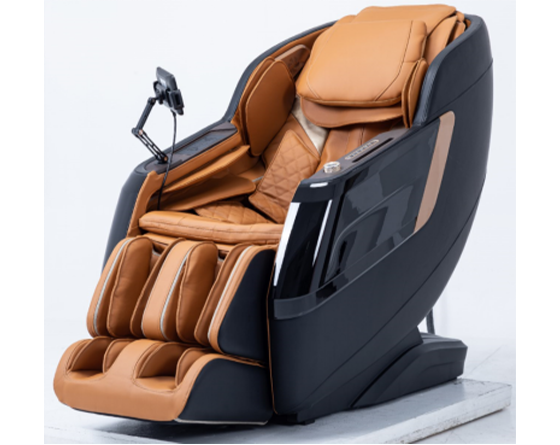
Step-by-Step Guide: Creating and Saving a Personalized Session
Programming a massage chair is a bit like crafting a playlist: you choose your favorite tracks, arrange them, and save the list for future enjoyment. Follow these steps to create your own custom massage routine.
Step 1: Consult the User Manual
Begin by consulting the instruction manual that came with your chair to learn about its specific controls and limitations. While this guide is intentionally generic, different manufacturers may use varying terminology. For example, user memory preset might be called “Custom,” “My Program,” or “Favorite.” Take note of all available adjustment options so you know what to look for.
Step 2: Choose Your Starting Position
Press the recline or zero gravity button to recline to a comfortable angle. Some people like to start in a fully upright position for back or should focus, then transition to zero gravity towards the end to finish with a gentler full-body session. If your chair has a “Pre-Set Position” option, you may want to program that angle into the final routine.
Step 3: Set the Roller Height (Body Scan)
Activate the body-scan or auto-track feature. This will move the rollers upward to your neck area and then down, mapping your spine. Once this is complete, test the level of pressure by moving the rollers to your shoulder blades. If you feel the rollers are missing your shoulder area because their height is incorrect, use manual overrides to move the roller up or down a few centimeters. When the exact point is reached, note the setting. Many chairs allow you to adjust the physical roller mechanism’s up/down position even during an automatic program.
Step 4: Select a Technique and Adjust Its Intensity
Start with an auto program to experience the default rhythm. Most auto programs cycle through different techniques. For a personalized routine, you'll likely want to choose a single technique or a custom rotation. On your remote, go to “Manual” or “Custom” mode. Choose technique, such as kneading, for the next 10-20 minutes. Adjust the intensity, speed, and width to a comfortable level. Personal preference varies: Many first-time users underestimate optimal pressure, so start with a low to medium intensity and gradually increase it. Remember that muscles sometimes need a few seconds to warm up; do not judge the pressure immediately on the first stroke. Before saving, spend a full minute with your chosen settings to ensure they feel pleasant.
Step 5: Program Airbag Zones and Pressure
Use the airbag control to set which parts of the body you want to be compressed. For example, if you primarily want lower back relief, you might turn off the arm airbags and increase hip and calf pressure. The airbag pressure can be set separately from the roller pressure. A brisk, strong squeezing rhythm in the calves assists venous flow, while a lighter touch is less awakening if your goal is sleepiness. Also adjust timer settings: Often you can set airbags to activate only after 10 minutes, or constant cycles.
Step 6: Add Heat If Desired
Toggle the heat switch to your desired level. Better still, select a manual setting that enables heat in the first half and disables it in the second half to prevent overheating. In many LOHAS chairs, heat comes on automatically during the “Sleep” mode; but for a daytime session you might choose heat at a low temperature so that it does not make you drowsy.
Step 7: Set Music and Voice Controls
If your chair features Bluetooth, connect your phone and start your preferred playlist. Some manufacturers, like LOHAS, incorporate a voice control system that lets you say commands such as “Increase pressure,” “Move to lower back,” or “Activate zero gravity.” These voice prompts provide another layer of ease if you need to tweak settings mid-massage while keeping your eyes closed.
Step 8: Save Your Program
After you have dialed in every setting, find the “Save” or “Memory” button. Usually, chairs allow you to store up to 3-5 custom programs. Press and hold a number (e.g., “Memory 1”) for three seconds until the chair beeps or the display blinks. Name the program if your chair supports alphanumeric input. This memory will record currently selected recline angle, roller path, technique, intensity, speed, width, airbag zones, pressure, heat setting, and zero gravity position. Some chairs even record music volume and where in the playlist you started, so the exact audio ambiance can be reproduced.
Step 9: Test and Fine-Tune
Your first saved program is just a draft. Sit in the chair and run the program from memory, then adjust any parts that feel uncomfortable. Perhaps the intensity is too high during the tapping phase, or you would like less airbag pressure at the start. You can override the memory while it is playing; after you finish, press “Save” again to overwrite the same memory slot with revised settings. Repeat this process until you achieve your perfect session.
Advanced Personalization: Using Timers and Custom Routines
Some users want a specific massage plan that transitions over time—for instance, after an intense workout you may want a sports recovery program: two minutes of firm finger pressure on the lumbar, then a “rolling” full back massage with medium intensity, and finishing with relaxing vibration and heat. By making use of scheduling or multi-segment programming, you can build more complex routines. In chairs with “P1, P2, P3” presets, each can be individually programmed. Then, during a full-body session, the chair will run Preset P1, then P2, and then P3 automatically in sequence. Check your user manual for a feature called “Multi-Massage.”
Another advanced option is the two-user memory. If a partner tends to use your chair, they can save their own profile on a separate memory slot or via the mobile app, which can support unlimited number of user profiles, each with their own body measurements and program settings. In some LOHAS models, the app will remember each person’s height, weight, and preferred massage settings, making switching guests or family members as simple as tapping a photo on the phone.
Also, integrate your massage chair with your fitness tracker or sleeping schedule. When a chair is connected through IoT, it might automatically adjust your massage based on the time of day—more relaxing at night, more energizing in the morning. Use voice control: wake your chair and say “Start relaxing mode”; the chair will spin up the pre-loaded program. To get the most out of your LOHAS chair, you can even ask the voice assistant to set a timer for a later start, so while you’re in a bath, it can warm the seat for an in-post-accouchement, ah sorry, a pre-bedtime session later.
Integrating Knowledge from a Trusted Manufacturer: LOHAS
Fujian Lohas Technology Co., Ltd, abbreviated as LOHAS, is a pioneer in the massage chair industry with a mission to lead a healthy and sustainable life. With today’s rapid economic growth, many people devote all their time to work and suffer from tension muscles and soreness. LOHAS aims to assist more individuals by designing and developing massage chairs and small massagers that follow scientific principles. Their remarkable product line integrates R&D and sales, and their in-house design team continually focuses on improving the comfortableness and reasonable internal structure of massage products, adding new features that make them more useful.
The company prides itself on rigid quality control. Each production step follows strict inspection, and they have achieved ISO9001, CE, and FDA international certifications. With a market spread across Southeast Asia, the Middle East, America, and South Korea, LOHAS is a reliable global partner. Importantly, they offer ODM and OEM services, tailoring their products to clients’ needs. Their massage chairs deliver outstanding cost performance while maintaining long-term stable quality. As a result, bulk purchasers and distribution partners benefit from reduced after-sales maintenance and strong market competitiveness.
One aspect that especially helps end users is LOHAS's professionally optimized intelligent programs. Unlike most universal fixed program templates, LOHAS engineers independently debug and upgrade all automatic programs based on enormous real-human tests with various age groups, body shapes, and fatigue states. The company fine-tunes the massage track, kneading strength, tapping frequency, and rhythm for each program to match muscle distribution of the neck, shoulders, lower back, and legs. Therefore, when you personalize your LOHAS chair, you are building on an exceptionally smart foundation. The chair's default programs already feel lifelike and organically flow; your job is only to adjust those nuanced factors specific to you.
Tips for Maximizing Comfort and Safety
- Start low and slow: Especially when trying a new technique, begin with low intensity and speed, then gradually increase it.
- When to avoid: Do not use a massage chair during pregnancy, right after surgery, or if you have circulatory disorders, deep vein thrombosis or skin infections without consulting a doctor.
- Keep sessions to 15-30 minutes: Over-massaging can cause soreness or bruising, so it is better to schedule short frequent sessions than one long daily marathon.
- Hydrate before and after: Massage releases metabolic waste into the bloodstream; water aids efficient flushing.
- Clean regularly: Wipe the leather and mechanical surfaces with a soft cloth and mild detergent, and check manuals for lubricating instructions only for professionals.
How to Reset or Delete a Program
Usually you can overwrite your memory slots by saving a new setting over them. If you wish to reset all settings to factory defaults, consult your manual for a “Reset” option—often it involves holding for a few seconds. In case you feel disoriented by too many custom options, resetting and re-starting with simple, clean program is never a bad idea.
Troubleshooting Common Programming Issues
The memory button doesn't work: Ensure the chair is turned on and the safety switch is off. Press the memory button gently but firmly for full second rather than a quick tap.
My custom program feels too weak/strong: Adjust the overall intensity setting—this is separate from the roller speed. Some chairs have an additional intensity multiplier in the app or in the settings.
The roller misses my neck: Use the body scan again, and manually set the roller higher if the automatic detection is off. Some users' shoulder heights do not fall into the standard range.
The chair turns off in the middle of a session: Check the timer setting—by default chair has 15 min auto-off for safety. In the custom program, you may set the timer yourself. Some chairs have a child lock, which might interrupt if pressed.
Heat isn't working: Ensure the heat control is on. Also, some chairs only allow heat when the backrest is reclined below a certain angle; if fully upright, the system may disable heat for safety reasons.
Benefits of Owning and Programming a LOHAS Massage Chair
High-quality massage chairs are an excellent investment for health and well-being. Using a massage chair helps relieve fatigue, promotes blood circulation, and increases energy, making it an easy choice for both office workers and the elderly. LOHAS chairs are suited to various home interiors due to their classic, versatile design, and the company positions itself in the economy and mid-end segments, meaning you get the same high-standard configuration and superior materials at a competitive price.
In the office, a scheduled five-minute zero gravity chair break can cut stress levels and reduce eyestrain. In hotels, guests appreciate an easily programmable massage chair in their suite, especially those with built-in Bluetooth and voice assistants, as it adds to the premium experience. After integrating personal programming, a massage session becomes more than just a repetitive cycle—it becomes a purposeful wellness ritual that addresses the day's specific stresses.
When you take the time to program your massage chair, you are effectively designing your own wellness therapy. By combining scientific principles, ergonomic research, and the ability to tweak every parameter, you turn a mass market device into a personal therapeutic equipment. Doing so improves not only your relaxation level but also helps you sleep, recover from workouts, and maintain good posture.
Future Trends in Programmable Massage Chairs
The next generation of massage chairs will make personalization even easier. Artificial intelligence is beginning to analyze your body reactions, such as tension and pulse, and adjust the massage in real time. Will you have an AI that learns which technique puts you to sleep? Very likely. Cloud connectivity will further permit users to download massage programs designed by experts, or even experience programs synced to virtual reality. However, until those advances are mainstream, you can still extract maximum value by mastering your chair’s current programming functions.
Importantly, you do not need a top-of-the-line chair to get these features. LOHAS supplies outstanding economy models with 2D mechanics and fixed-point massage that also save custom settings. Even if your chair lacks a voice assistant, a simple remote with memory functions unlocks 80% of the personalization benefits.
In summary, programming your electric massage chair for a personalized session is straightforward and yields impressive results. Take the time to get to know each control, experiment with intensity and timing, and save your favorite settings. Use the science already baked into high-quality chairs from responsible manufacturers like LOHAS to advance your health goals. The few minutes you invest in programming will give you years of respite. So, recline, select your custom mode, and let the chair melt away the stress of the day.
Remember, if you are interested in the technology behind massage programs or want to explore commercial options, Fujian Lohas Technology Co., Ltd offers both ODM/OEM services and welcomes global partnerships. Speak to them about the benefits of adaptable massage chairs in spa and hotel settings. But for the individual user, it often suffices to have a willingness to experiment and an understanding of your own body. With the guidance provided above, you are now ready to transform your electric massage chair into the best version of a “personal masseur.” Happy programming!
Pay attention to news frontiers achieve sustainable development .
All News >
Exploring the Top Benefits of Using a Budget Massage Chair
Exploring the Top Benefits of Using a Budget Massage Chair Table of Contents 1. Introduction to Budget Massage Chairs 2. Overview of Benefits of Massage Chairs 3. Affordability: Why Choose a Budget Option 4. Stress Relief and Relaxation 5. Pain Relief and Muscle Recovery 6. Improved Blood Circulation 7. Better Posture and Spine Alignment 8. Convenience and Accessib
Leave Message
We will contact you within one working day. Please pay attention to your email.
Contact Us
Factory: Room D232, No. 16, Jinhu Road, Yanhu Village, Chengyang Town, Fu'an City, Fujian Province, China.
E-mail: joey.chen0321@gmail.com

Statement
Privacy Statement
This privacy policy discloses the privacy practices for Fujian Lohas Technology Co., Ltd Tools. This privacy policy applies solely to information collected by this web site. It will notify you of the following:
What personally identifiable information is collected from you through the web site, how it is used and with whom it may be shared.
What choices are available to you regarding the use of your data.
The security procedures in place to protect the misuse of your information.
How you can correct any inaccuracies in the information.
Information Collection, Use, and Sharing
We are the sole owners of the information collected on this site. We only have access to/collect information that you voluntarily give us via email or other direct contact from you. We will not sell or rent this information to anyone.
We will use your information to respond to you, regarding the reason you contacted us. We will not share your information with any third party outside of our organization, other than as necessary to fulfill your request, e.g. to ship an order.
Unless you ask us not to, we may contact you via email in the future to tell you about specials, new products or services, or changes to this privacy policy.
Your Access to and Control Over Information
You may opt out of any future contacts from us at any time. You can do the following at any time by contacting us via the email address or phone number given on our website:
See what data we have about you, if any.
Change/correct any data we have about you.
Have us delete any data we have about you.
Express any concern you have about our use of your data.
Security
We take precautions to protect your information. When you submit sensitive information via the website, your information is protected both online and offline.
Wherever we collect sensitive information (such as credit card data), that information is encrypted and transmitted to us in a secure way. You can verify this by looking for a closed lock icon at the bottom of your web browser, or looking for “https” at the beginning of the address of the web page.
While we use encryption to protect sensitive information transmitted online, we also protect your information offline. Only employees who need the information to perform a specific job (for example, billing or customer service) are granted access to personally identifiable information. The computers/servers in which we store personally identifiable information are kept in a secure environment.
Updates
Our Privacy Policy may change from time to time and all updates will be posted on this page.
If you feel that we are not abiding by this privacy policy, you should contact us immediately via e-mail stacylinting@163.com