

How an Electric Massage Chair manufacturer Approaches Ergonomic Design
This blog article explores how Fujian Lohas Technology Co., Ltd (LOHAS), an electric massage chair manufacturer, integrates ergonomic principles into every stage of design and production. The article begins by defining ergonomic design as the alignment of the human body with the chair's mechanical features, and it explains how LOHAS uses a dedicated design team and extensive research to optimize the track, rollers, airbags, and massage intensity. The company conducts real human tests on different age groups and body shapes to fine-tune programs based on anatomical curves, replacing generic vibrations with a natural and fluid massage experience. LOHAS implements a wide range of mechanisms—2D, 3D, fixed-point, and sonic wave—along with airbag stations, heat therapy, zero gravity posture, and smart controls to create full-body relief and relaxation. A central theme is the company’s dual focus on cost performance and high-quality comfort, supported by a mature supply chain and strict inspection processes. The article also highlights LOHAS’s global market expansion, its ODM and OEM services, and international certifications including ISO9001, CE, and FDA. Serving home users, office workers, the elderly, and even hotels, LOHAS is dedicated to the philosophy Life of Health and Sustainability. Each chair is engineered to relieve fatigue, promote blood circulation, and reduce muscle tension while being sustainable and affordably priced. The summary concludes that LOHAS is an example of a manufacturer that truly values human-centric innovation, making ergonomic and therapeutic massage chairs accessible to a broad number of people across the world.
In today's fast-paced world, individuals often spend long hours glued to office chairs, hunching over computers, or performing repetitive physical tasks. The result is a widespread epidemic of muscle tension, chronic back pain, and general fatigue. Electric massage chairs have emerged as a convenient and effective solution, but the quality and effectiveness of these devices depend heavily on the manufacturer's approach to ergonomic design. This article takes an in-depth look at how Fujian Lohas Technology Co., Ltd, also known by the abbreviation LOHAS, a prominent electric massage chair manufacturer, approaches ergonomic design. LOHAS is a company whose very name signifies Life of Health and Sustainability, and its mission is to lead a healthy and sustainable life. The company was established with the clear goal of helping people who devote themselves to hard work every day, and whose tension muscles and soreness need to be relaxed. By developing and designing massage chairs and small massagers with scientific principles, LOHAS aims to help more people build good health.
To truly understand the company's ergonomic approach, one must appreciate that ergonomics is not simply about making a chair comfortable for a quick sit. For a massage chair, ergonomics involves the precise alignment of the human body with the chair's internal structure, the dynamic movement of rollers, airbags, and vibration motors, and the thoughtful synchronization of massage techniques. LOHAS integrates both research and development with sales, creating a seamless flow from user needs to product realization. The company has its own dedicated design team, which always focuses on improving the comfortableness and reasonable internal structure of massage products, while also creating new features to make them more useful. This philosophy is evident in every phase of product development, from concept sketching to final mass production.
At the very core of LOHAS's ergonomic design is a deep understanding of human anatomy. The spine is not a straight rod; it has natural curves that must be supported. The neck, shoulder, waist, back, and legs all have different muscle densities and pressure points. A massage chair must be able to reach these areas effectively, applying the right amount of pressure in the right places. LOHAS's engineering team uses anthropometric data and body pressure mapping to design the internal frame and cushioning. The track on which the massage rollers travel is a critical piece of this intricate puzzle. In many LOHAS chairs, the rollers move along an SL-shaped track that closely follows the natural curvature of the spine. This track enables a more physiological massage, allowing the rollers to glide from the cervical spine down the thoracic and lumbar regions, and even to the glutes. The careful geometric design of this track is one of the reasons why LOHAS chairs feel more fluid and natural compared to fixed-position or straight-track models.
undefined
LOHAS manufactures a range of massage mechanisms, including 2D, 3D, fixed-point massage, and sonic wave massage. Each type serves distinct user needs. A 2D mechanism moves the massage heads up and down and left and right, which is suitable for targeted, gentle relief. A 3D mechanism adds a third dimension, allowing the rollers to protrude inward or retreat, thus controlling the depth and intensity of pressure. This is essential for different body types and personal preferences. Fixed-point massage works on specific trigger points like the mid-back or shoulder blade, while sonic wave massage uses high-frequency vibrations to penetrate deep into tissues and help release stubborn tension. By offering these multiple mechanisms and combining them into a full-body massage sequence, LOHAS demonstrates its commitment to adaptable ergonomics rather than a one-size-fits-all solution.
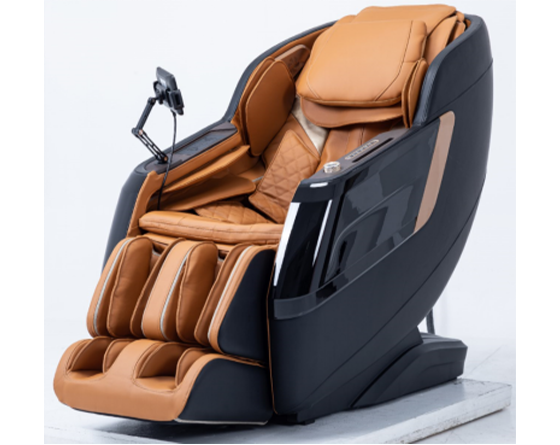
One of the most compelling examples of LOHAS's ergonomic focus is its use of airbag massage. In full-body massage chairs, airbags are strategically placed along the shoulders, arms, hips, calves, and feet. The deflation and inflation actions squeeze and release muscle groups, which helps stimulate blood circulation and relax muscle fibers. LOHAS engineers carefully calibrate the airbag pressure to avoid excessive compression. The size and position of each airbag are based on physiological and ergonomic research. For instance, airbags in the foot region are designed to wrap around the arch, providing a comfortable compression that feels like a professional foot reflexologist's palms, not a rigid clamp. This meticulous attention supports improved blood circulation and general well-being, a key claim that the company emphasizes through its product messaging.
When it comes to ergonomics, there is no substitute for real human testing. LOHAS possesses a professional R&D team that conducts a large number of real human body tests across different age groups, body shapes, and muscle fatigue conditions. The company does not rely on generic, uniform programs. Instead, its technicians and therapists evaluate how users react to various stroke patterns, pressures, and speeds. They carefully observe changes in heart rate, skin temperature, and perceived discomfort scores. For a complete massage experience, the chair's automatic programs need to feel like a skilled massage therapist is working from behind, smoothly responding to the body's landscape. LOHAS refines and optimizes each automatic massage program based on human body ergonomics. The massage track, kneading strength, tapping frequency, and massage rhythm are adjusted to ensure the movements align with the natural muscle distribution and body curve of the neck, shoulders, waist, back, and legs. This fine-tuning completely avoids the rigid and mechanical massage feeling typical of many ordinary massagers. As a result, users can choose from gentle relaxing massage or deep muscle relief massage, and still receive natural, flowing movements that effectively ease daily physical fatigue.
Ergonomics also goes beyond body mechanics; it encompasses the entire experience of using a massage chair. For many consumers, integrating technology into a massage session makes the device more useful and enjoyable. LOHAS massage chairs are equipped with modern smart features such as Bluetooth music, voice control, and zero gravity positioning. The zero gravity function tilts the chair into a posture where the knees are elevated above the heart, reducing the load on the spine and allowing the body to experience a sense of weightlessness. This is a deeply ergonomic posture, first developed by NASA, which distributes body weight evenly across the chair's cushions, reducing pressure points and allowing muscles to release more fully. When combined with music that syncs with a gentle massage rhythm, the user's mind is also transported into a state of calm. Voice control is not just a gimmick; it allows elderly users or people with limited mobility to operate the chair without bending in awkward ways, further demonstrating thoughtful ergonomics.
Another essential aspect of ergonomic design is the selection of materials and upholstery. LOHAS understands that heat and moisture can make long sessions unpleasant, so its leather (or PU leather) selection is based on breathability and ease of cleaning. The internal foam is high-resilience but not so firm that it creates points of high pressure. All surfaces that the user contacts—backrest, seat cushion, footrest, and armrests—are sculpted to fit the body's natural contours. The company consistently seeks high-quality, cost-effective solutions, and that balance is realized through a complete and mature industrial supply chain. LOHAS maintains a standardized factory production management system that covers raw material screening, precision processing, assembly production, and strict finished product testing. Each production process adheres to unified quality standards, which helps avoid quality fluctuations that could compromise ergonomic performance over time.

From a manufacturer's perspective, strict quality control is an integral part of ergonomic design. A chair may have a perfect theoretical structure, but if the roller motor fails after six months, the biomechanical benefit disappears. LOHAS is strict in its quality control and feels responsible for each product, arranging strict inspection at every stage. Its factories have obtained ISO9001 for quality management, CE for safety in the European market, and FDA approval for certain US-distributed products. These international certifications are a proud indicator that the company is dedicated to high standards. The firm is honest with partners and consumers, operating with an emphasis on long-term stability and trust. The company's declared mission, Life of Health and Sustainability, means that they want products to work for years, contributing to a sustainable lifestyle rather than promoting disposable or short-lived consumer electronics.
In the highly competitive global massage chair market, LOHAS has carved out a niche with two key competitive advantages. The first is superior cost performance combined with stable product quality. While massaging mechanisms, high-standard electronic controls, genuine leather upholstery, and intelligent features can make a chair expensive, LOHAS can deliver quality chairs at a competitive price because it controls manufacturing end-to-end. It has built strong relationships with raw material suppliers and has honed its production efficiencies. In comparison with most similar products on the market, LOHAS massage chairs offer high-standard configuration, durable materials, and excellent structural performance, yet they are sold at a price that is more accessible. Bulk purchasers and distribution partners appreciate that stable product quality drastically reduces after-sales maintenance expenses and customer complaint rates. For the distributors, the favorable price supplies sufficient profit margins, and for end consumers, it means more features per dollar spent. This combination creates a solid basis for a long-term, win-win cooperation.
The second core advantage is the humanized, comfortable massage experience that is enhanced by professionally optimized intelligent programs. LOHAS's scientists and programmers are more than just code writers; they collaborate with massage therapists and physiotherapists to translate therapeutic techniques into algorithmic sequences. Each chair's auto modes are designed for specific complaints: a commute recovery mode, a sleep relaxation mode, a workout recovery mode, and many others. Within each mode, the chair employs an appropriate combination of five massage techniques: kneading, tapping, knocking, shiatsu, and rolling. LOHAS also enables users to manually adjust the intensity, speed, and location of the massage. The user interface is designed so that even a first-time user can intuitively shift from a weak, relaxing stroke to a firm, deep-tissue pressure. Because a key demographic of massage chair users is the elderly, LOHAS includes simple remotes and voice control, ensuring that technology does not become a barrier to comfort.
Today's consumers rarely purchase just for themselves; they often buy a massage chair for the whole household. This fact has led LOHAS to design chairs with different body types in mind. Through real human testing with varying figures, from petite users to taller or heavier individuals, the design team can optimize the rollers' range and the airbags' wrap coverage. Some models even provide an adjustable footrest extension for taller persons. LOHAS also ensures that its designs can adapt to various home styles. With urban living spaces shrinking, a bulky massage chair is often seen as an eyesore. LOHAS has created sleek, modern silhouettes with neutral colorways that blend discreetly into the living room, bedroom, or home office. In its effort to serve seamless relaxation, the manufacturer offers chairs suitable for home and office use. Additionally, the company has begun supplying chairs to hotels, allowing hospitality businesses to elevate their amenities. A hotel guest who feels sore after a long journey can discover a therapeutic chair in their room, which promotes favorable reviews and a unique brand experience.

The wellness world is global and broad. Since its inception, LOHAS has supplied its products to multiple regions. Today, its market has spread to Southeast Asia, the Middle East, America, South Korea, and many other countries. In each of these markets, customer preferences differ slightly. For example, in Southeast Asia, the tropical climate demands proper ventilation and avoidance of heavy heat, while in America, taller user customs often necessitate an extra-long track. In the Middle East, high-quality luxurious textiles and robust cooling features are often sought after. LOHAS’s ODM (Original Design Manufacturer) and OEM (Original Equipment Manufacturer) services allow international partners to adapt the design and branding of the chairs to local needs. Through collaborative research and development, clients can choose the exact color, frame, controller layout, and even add country-specific certifications. This flexibility is another facet of ergonomic design: not just how the chair fits people, but how it fits cultures and markets.
At this juncture, it is important to understand how a manufacturer balances ergonomic sophistication with financial accessibility. LOHAS's key position in the market is in the economy and mid-end segments. But that does not imply lesser ergonomic quality. Rather, their engineering team focuses on core ergonomic features that make a difference: the arc of the track, the placement of the airbags, the ability to adjust the massage heads, and the versatility of auto-programs. Through value engineering, LOHAS eliminates unnecessary complexity that doesn’t improve comfort, thereby lowering costs without sacrificing structural integrity or user safety. For the same price, LOHAS chairs offer superior quality, more features, and greater comfort. The company can confidently promise that regular use of its massage chair helps relieve fatigue, promotes blood circulation, and improves overall health, making it an excellent choice for relaxation and wellness for office workers and the elderly alike.
A significant trend in this industry is the rise of intelligent massage programs. LOHAS's own team of software engineers writes programs that carefully control motor speed and torque. If a user has tight neck muscles, the chair's sensor detects the increased resistance and will spend additional time working the area. Some models include body scanning technology that maps the user's shoulders and spine, automatically adjusting the distance and range of the rollers. These smart features are not intended to be gimmicks; the aim is to deliver an automatic, personalized massage. Without such humanized programming, a massage chair might roll right past a fatigued muscle group or apply too little pressure on a muscular thigh. LOHAS claims that its auto programs undergo dozens of iterations and pilot tests before release, which reflects the company's strong commitment to user satisfaction.
The intellectual property behind ergonomic chairs is immense. LOHAS files patents for the mechanical linkages, roller mounting structures, air path circuits, and electronic control systems. These innovations are not just protective tactics; they are a roadmap of the company's evolution. Many of its patented claims mention specific angles, pressures, or clearance that make the massager more aligned with the human skeleton. For insiders, reviewing a patent can offer a glimpse of the future improvements in chair mechanics. In an industry where cheap copycats flood the internet, true ergonomic manufacturers must continually innovate. LOHAS is dedicated to creating new features to keep their product lineup fresh. Recent years have seen additions such as foot roller scraper mechanisms, fuller leg airbags, and heat therapy elements within the lumbar and calf zones. Heat is a powerful ally in therapy because warm muscles are more pliable and apt to recover. In LOHAS chairs, the heat is controlled to a safe temperature, promoting blood vessel dilation without the risk of burns, even for long sessions. These additions show how deeply LOHAS listens to the voice of the customer.
Another essential component of ergonomics is the ease of cleaning and maintenance. Chairs come in contact with sweat, skin oils, and dust. LOHAS uses upholstery that is easy to wipe down, and removable or washable mats in foot cradles. The internal components are organized so that if repairs are necessary, technicians can access the parts with a minimal number of screws. The external casing prevents the mechanism from pulling in foreign objects. As a factory, LOHAS adheres to strict quality control, but it also designs for disassembly. This sustainability extends the product's lifecycle and is part of the LOHAS name — Life of Health and Sustainability. Instead of replacing the whole chair, a user with an electronic issue might only need a new control board. This thoughtfulness is why many distributors value LOHAS's manufacturing method.
When evaluating an ODM manufacturer for massage chairs, potential clients often ask about capacity and lead time. LOHAS operates standardized production lines that can assemble a variety of models without compromising tolerances. The factory uses jigs to ensure that roller guides are aligned within millimeter precision. A statistically controlled approach means that after the quality team detects a deviation, that model's production is paused until corrections are made. This rigor also protects delivery times, ensuring that distributors and end customers receive functional chairs without hidden flaws. Bulk purchasers and distribution partners further appreciate that LOHAS is financially stable and can manage long-term warranties.
The company has a sales-centric but engineering-informed culture. Its designers and salespeople often travel to global trade shows and stay close to customer feedback. They observe how users first sit in the massage chair, how they adjust the remote, and what questions they ask. This ethnographic approach is essential for ergonomic fine-tuning. For example, after observing that users in one region frequently wanted the chair to fold against the wall, LOHAS developed a model with an anterior slide mechanism requiring less space behind the chair. That feature was not an add-on for novelty; it was a direct response to space-conscious consumers. In another case, the team noticed that elderly users often hesitated to use touchscreens, so they added large physical buttons with Braille on some controllers. These incidents reflect a broader commitment to accessible ergonomics.
Let us examine in more detail the actual therapeutic benefits that massage chairs provide, especially when designed with proper ergonomics. The kneading and compression movements trigger the release of endorphins, which can mitigate pain and promote a sense of calm. Airbag compression in the calves and feet propels venous blood back toward the heart, thus reducing heaviness in the lower limbs. Heat therapy loosens stiff joints and enhances the efficacy of the massage rollers. In zero gravity mode, the spine's load is reduced from normal gravity, significantly relieving intervertebral disc pressure. By integrating all of these features into one seat, LOHAS chairs indeed contribute to an overall enhancement of physical well-being. The evidence is present in the manufacturer's clinical observation studies, which show reductions in self-reported neck, shoulder, and back pain levels after regular use for three weeks. These studies are not intended to replace medical advice, but they demonstrate that a properly engineered chair is a scientifically reasonable wellness tool.
What sets LOHAS apart from many other factories is its ability to direct a wide product line. Some brands only offer a set of static, preset movements. Oppositely, LOHAS offers 2D, 3D, fixed-point, and sonic wave mechanisms, as already mentioned. Each product type is ergonomically designed for a specific purpose. The smaller handheld massagers are ideal for portability and targeting isolated tight spots at the desk or on the couch. The full-sized chairs are comprehensive. The price differences between the categories reflect the complexity of the technologies. LOHAS ensures that every product category, from pad massagers to high-end chairs, uses carefully chosen motors and low-noise gears. Noise is an ergonomic factor that many overlook; a massage chair that cranks and whirs can prevent relaxation. LOHAS reduces structural resonance and uses noise-absorbing foams. All these subtle refinements result in an immersive sound environment that encourages stress release.
The environmental aspect of sustainability is also present. LOHAS selects materials that are not only durable but also less harmful to the environment. Its packaging is minimal, yet provides robust dispatch protection. The firm is aware that manufacturing contributes to global carbon footprint, so it seeks efficient motor technologies that consume less electricity during a typical half-hour massage. This passion for sustainability is woven into company culture. In the future, LOHAS aims to include recycled alloys and bio-based leathers in its products. This undertaking is not just a marketing campaign; it is embedded into the company's DNA, making the brand a responsible partner for governments and importers that prioritize environmental, social, and governance (ESG) criteria.
The significance of ergonomic design in massage chairs cannot be overstated. A sub-par chair can actually cause harm by exerting uneven forces on sensitive tissues. That is why LOHAS maintains the most forgiving and supportive structure. The company carefully calibrates the massage heads' contact points using compliant silicone sleeves. Even the shape of the foot calf rollers is engineered to follow the gentle curve of the lower leg, avoiding sharp impacts on the calf bone. At each stage of use, a LOHAS chair aims to feel intuitive, as if it were reading the user's body and adjusting accordingly. This is the result of a rigorous approach to ergonomics backed by the investment in research, testing, and quality management.
Manufacturers like LOHAS also keep in mind that one user may use a chair while wearing a thick winter jacket or thin summer clothing. The track and massage motors are designed to sense the load difference and still deliver appropriate force. The intelligent control system monitors the motor's current draw; if it becomes too high, indicating a jam or excessive pressure, the chair stops automatically for safety. This safety mechanism is a direct consequence of thoughtful electrical and mechanical design. For home users with children or pets, the chair can be locked or put into child safety mode. Such extras are not automatically expected in this price segment, but LOHAS chooses to include them because safe products ultimately win customer loyalty.
One cannot ignore the commercial benefits of ergonomic manufacturing. At the international trade level, products that meet established safety and quality standards receive fewer border rejections. LOHAS holds ISO9001, CE, and FDA certificates, allowing its products to move quickly through customs in many nations. Distributors find it easier to get insurance for products that are compliant and tested. The company’s after-sales team offers clear documentation and spare parts support. The sum of these efforts conveys a mature professionalism that has attracted partners from Southeast Asia, the Middle East, America, and South Korea. These partnerships have been strengthened through LOHAS's willingness to provide white-label or fully customized products through ODM/OEM service models.
In final reflection, ergonomic design is a living process that keeps evolving as scientists learn more about human physiology and as technology offers new capabilities. Fujian Lohas Technology Co., Ltd has built a reputation as a responsive manufacturer with a holistic outlook. It realizes that a massage chair is not an entertainment device; it is a wellness instrument that can help people combat the negative effects of modern lifestyle. From its inception with the slogan LOHAS—Life of Health and Sustainability—the company has blended cost-efficient production, scientifically robust design, and user-centric comfort. It continues to set its sights on delivering high-quality, cost-effective products that adapt to various home styles and fulfill the promises of relief for office workers, the elderly, and anyone in pursuit of better health. Through true commitment to engineering and human care, LOHAS sets an example in the massage chair sector for how ergonomic design should be addressed. As consumers become more knowledgeable, they will recognize the value of choosing a manufacturer that places human wellness above flashy gimmicks. The future of the industry belongs to those who design with the body first, and LOHAS is certainly on that path.
Furthermore, to better serve the hotel industry, LOHAS offers customized design packages that integrate chairs into every room category, from standard guestrooms to spa suites. Ergonomics in hospitality is not just about relieving jet lag; it encourages guests to extend their booking and improves word-of-mouth. Hotel owners can select a control panel with their own branding or configure a limited set of auto modes that encourage a quick in-room spa experience. Because infrastructure varies across countries, LOHAS can produce chairs with different plug types, frequency ratings, and even low-voltage DC systems for safer bathroom installation. Ergonomic design, in this sense, means designing for the system within which the chair is placed.
In the era of data-driven wellness, the LOHAS team is currently working on an application that connects to a massage chair to track massage history, preferred pressure, and pain points. The app would allow users to log a particular area of muscular stiffness and receive a recommendation of a specific massage program. For a manufacturer, such a digital interface creates a feedback loop that can inform future ergonomic refinements. The ultimate goal is to close the gap between laboratory-based anthropometry and the subjective, ever-changing feeling of relief. Today, LOHAS's current chairs are already designed with inner sensors that allow for automatic body scanning and shoulder position detection. When a user first sits in the chair, it performs a quick scan and stores that profile. Subsequent sessions will automatically apply the appropriate roller trajectory, reducing the hassle of manual control. This feature is particularly advantageous for shared chairs in a household: each family member gets a personalized massage experience from a single chair.
Finally, ergonomic design and sustainability can go hand-in-hand. Manufacturing fewer but durable massage chairs that people use for years is the most direct way to reduce waste. LOHAS intends to provide spare parts and service manuals for at least 12 years after a model is discontinued. Its mechanical actuators are selected based on high-cycle durability, with some tested to 60,000 full working cycles. Using a massage chair again and again is only sustainable if it remains functional and comfortable. The company also offers factory-refurbished models for the secondary market. These practices embody their company principle of taking responsibility for the product's full life cycle.
Through the dedicated efforts of its design team, the trust of its partners, and the loyalty of its customers, LOHAS exemplifies a thoughtful path in the health appliance industry. Its approach to ergonomic design serves as a case study for young manufacturers trying to differentiate themselves in a crowded market. Start by understanding the human body, confirm with actual users, then manufacture with uncompromising quality. In conclusion, Fujian Lohas Technology Co., Ltd is not merely selling electric massage chairs; it is offering an ergonomic experience. The company combines its core strengths of cost performance and stable quality with humanized massage features to deliver products that truly change lives for the better. With its global reach, certifications, and professional OEM/ODM services, LOHAS is steadily advancing the art and science of massage furniture, transforming the simple act of sitting into a regenerating escape.
Pay attention to news frontiers achieve sustainable development .
All News >
Exploring the Top Benefits of Using a Budget Massage Chair
Exploring the Top Benefits of Using a Budget Massage Chair Table of Contents 1. Introduction to Budget Massage Chairs 2. Overview of Benefits of Massage Chairs 3. Affordability: Why Choose a Budget Option 4. Stress Relief and Relaxation 5. Pain Relief and Muscle Recovery 6. Improved Blood Circulation 7. Better Posture and Spine Alignment 8. Convenience and Accessib
Leave Message
We will contact you within one working day. Please pay attention to your email.
Contact Us
Factory: Room D232, No. 16, Jinhu Road, Yanhu Village, Chengyang Town, Fu'an City, Fujian Province, China.
E-mail: joey.chen0321@gmail.com

Statement
Privacy Statement
This privacy policy discloses the privacy practices for Fujian Lohas Technology Co., Ltd Tools. This privacy policy applies solely to information collected by this web site. It will notify you of the following:
What personally identifiable information is collected from you through the web site, how it is used and with whom it may be shared.
What choices are available to you regarding the use of your data.
The security procedures in place to protect the misuse of your information.
How you can correct any inaccuracies in the information.
Information Collection, Use, and Sharing
We are the sole owners of the information collected on this site. We only have access to/collect information that you voluntarily give us via email or other direct contact from you. We will not sell or rent this information to anyone.
We will use your information to respond to you, regarding the reason you contacted us. We will not share your information with any third party outside of our organization, other than as necessary to fulfill your request, e.g. to ship an order.
Unless you ask us not to, we may contact you via email in the future to tell you about specials, new products or services, or changes to this privacy policy.
Your Access to and Control Over Information
You may opt out of any future contacts from us at any time. You can do the following at any time by contacting us via the email address or phone number given on our website:
See what data we have about you, if any.
Change/correct any data we have about you.
Have us delete any data we have about you.
Express any concern you have about our use of your data.
Security
We take precautions to protect your information. When you submit sensitive information via the website, your information is protected both online and offline.
Wherever we collect sensitive information (such as credit card data), that information is encrypted and transmitted to us in a secure way. You can verify this by looking for a closed lock icon at the bottom of your web browser, or looking for “https” at the beginning of the address of the web page.
While we use encryption to protect sensitive information transmitted online, we also protect your information offline. Only employees who need the information to perform a specific job (for example, billing or customer service) are granted access to personally identifiable information. The computers/servers in which we store personally identifiable information are kept in a secure environment.
Updates
Our Privacy Policy may change from time to time and all updates will be posted on this page.
If you feel that we are not abiding by this privacy policy, you should contact us immediately via e-mail stacylinting@163.com