

How to Evaluate a Massage Chair supplier for White Label Solutions
This comprehensive guide explores the crucial process of selecting a massage chair supplier for white label solutions, providing a structured framework for evaluating potential partners in the rapidly growing wellness market. It emphasizes seven core criteria: certifications, R&D capability, quality control, customization options, cost performance, supply chain resilience, and after-sales support. The article uses Fujian Lohas Technology Co., Ltd (LOHAS) as an illustrative example, given its established reputation and aligned philosophy of 'Life of Health and Sustainability.' LOHAS demonstrates the strengths a white label supplier should possess, including ISO9001, CE, and FDA certifications, an integrated R&D and sales team, a comprehensive manufacturing system, and a broad range of massage mechanisms and features. The guide advises brands to conduct stage-by-stage evaluations, from online screening and sample testing to pilot orders and formal contracting. It also warns against common pitfalls such as focusing solely on lowest price, overlooking intellectual property, skipping factory audits, and failing to secure spare parts and warranty support. The article underscores the importance of human-centered ergonomic design, as seen in LOHAS's refined massage programs and numerous global market applications, including home, office, and hotel use. In summary, choosing a massage chair white label supplier is not simply transactional; it requires an alignment of corporate purpose, total cost analysis, and a long-term partnership approach. A supplier like LOHAS, which integrates quality, cost-effectiveness, and continuous innovation, provides a valuable model for resilience and mutual success. Through careful evaluation, brands can confidently launch their own massage chair product lines and build profitable, trustworthy market presence.
In the ever-evolving wellness and home healthcare market, massage chairs have become increasingly popular among consumers seeking convenience, relaxation, and therapeutic benefits. For brands looking to enter this lucrative space without investing heavily in production facilities, engineering research, or manufacturing complexities, white label solutions offer a strategic pathway. However, the success of such an initiative hinges on selecting a reliable and capable supplier. This comprehensive guide explores the critical criteria for evaluating a massage chair supplier for white label partnerships, providing actionable insights and drawing upon industry examples such as Fujian Lohas Technology Co., Ltd (LOHAS) to illustrate best practices.
Understanding White Label Massage Chairs
White labeling is a business model where a manufacturer produces products that are rebranded and sold by another company. In the massage chair context, a white label supplier designs, engineers, and manufactures massage chairs that are then marketed under the buyer's brand name. This approach allows brands to leverage existing manufacturing expertise and reduce time-to-market while focusing on distribution, marketing, and customer care. Evaluating such suppliers requires a holistic understanding of both the product's technical intricacies and the supplier's operational capabilities. Without diligent evaluation, a brand may face quality inconsistencies, intellectual property risks, or unsuitable product-market alignment. Therefore, a structured framework for supplier assessment is indispensable.
Among the many suppliers in the global market, Fujian Lohas Technology Co., Ltd — commonly abbreviated as LOHAS — serves as an instructive example. The name LOHAS stands for "Life of Health and Sustainability." The company was established with the mission to lead a healthy and sustainable life, reflecting a philosophy that aligns with modern consumer values. LOHAS integrates R&D and sales, and its dedicated design team continuously improves comfort and structural innovation. For potential white label partners, understanding such a supplier’s philosophy, history, and operational structure offers valuable insight into its reliability and long-term viability.
undefined
Key Criteria for Evaluating Suppliers
Selecting a massage chair supplier is not a one-size-fits-all task. Different market segments require different configurations, quality tiers, and feature sets. Nevertheless, seven core criteria should form the backbone of any thorough evaluation: certifications, R&D capability, quality control, customization options, cost performance, supply chain robustness, and after-sales support. Each of these areas directly impacts the success of a white label product in achieving consumer satisfaction and brand reputation.

Certifications and Compliance
The first and most fundamental layer of evaluation is regulatory compliance. Massage chairs are electrical appliances that interact intimately with the human body, often involving motion, heat, and compression. As such, they must meet strict safety and performance standards in various markets. Certified suppliers demonstrate a commitment to safety and quality, which protects both the end-user and the brand from liability. For example, LOHAS has achieved ISO9001, CE, and FDA international certifications. ISO9001 indicates a quality management system aligned with international benchmarks, while CE and FDA ensure compliance with European and American health and safety regulations. A credible supplier should readily provide certificates, test reports, and documentation for its existing and prospective products. White label partners should confidently request evidence of compliance for all components, including electrical safety, electromagnetic compatibility, and materials used. In addition, certifications for social and environmental responsibility—such as BSCI or REACH—may be relevant, particularly for brands targeting discerning markets.
Beyond the mere possession of certifications, the supplier's attitude toward compliance matters. Are they proactive about updating certificates when regulations change? Do they communicate openly about compliance challenges? The evaluation process should include verifying certifications through independent databases and requesting samples for internal testing if possible. The financial and reputational cost of a recall is enormous, making this step non-negotiable. A supplier that treats standards as theater rather than an engineering mandate is a red flag. LOHAS’s portfolio of certifications, regularly maintained and expanded, suggests a culture of compliance that white label buyers can rely on.
R&D and Design Capability
The white label product must be competitive in design, features, and comfort. A supplier with strong research and development capabilities offers several advantages: access to original designs, the ability to customize features, and continuous product improvements that keep pace with market trends. In the massage chair industry, mechanical sophistication distinguishes a premium product from a gimmick. Advanced mechanisms such as 2D and 3D massage rollers, fixed-point massage, and sonic wave massage require specialized engineering knowledge that not every contract manufacturer possesses. Therefore, during supplier evaluation, it is essential to examine the supplier’s R&D team size, their design process, and their track record of innovation. LOHAS integrates R&D and sales, and its design team focuses on improving comfort and internal structure while creating useful new features. The company’s ability to supply multiple mechanisms—2D, 3D, fixed-point, and sonic wave massage—demonstrates a breadth of technical competence. A prospective brand should ask: Does the supplier hold patents or proprietary technology? How many new models have they launched in recent years? Can they develop a custom mechanism or adjust an existing design to meet specific ergonomic requirements? R&D capability also extends to software and smart features. Modern massage chairs increasingly incorporate Bluetooth music, voice control, and app connectivity. A supplier that can handle both mechanical and electronic firmware design offers a turnkey solution. White label buyers should request detailed technical specifications, development timelines, and examples of previous customizations.
Human-centered design is another facet of R&D. A massage chair must genuinely relax muscles and promote well-being. LOHAS emphasizes developing massagers with scientific principles, aiming to help users build good health. The company's professional R&D team conducts a large number of real human body tests across different age groups and body types, adjusting massage tracks, kneading strength, tapping frequency, and rhythms to fit human body curves. This ergonomic optimization results in massage programs that avoid the rigid, mechanical feel common in generic products. For a white label brand, partnering with such a supplier means the product is more likely to earn high user satisfaction and repeat purchases. During evaluation, ask about user testing protocols, sensory feedback loops, and how clinical or in-house tests influence design iterations.
Quality Control and Manufacturing Processes
Massage chairs are electromechanical devices that involve hundreds of parts, from motors and gears to cushions and heating elements. Poor quality control can lead to product failures, safety hazards, and damage to a brand’s image. A robust supplier should have an integrated quality management system that covers every stage: raw material screening, precision processing, assembly production, and finished product testing. Unified quality standards are implemented across all production lines to avoid discrepancies between batches. During the factory audit, a prospective buyer should inspect the production floor, understand the quality metrics, and review incoming and outgoing inspection protocols. Are there standardized test procedures for endurance, stress, and electrical safety? LOHAS, for instance, follows strict quality control and arranges rigorous inspection at every process. The philosophy is to be responsible for each product. The supplier's state of the art supply chain is described as complete and mature, covering raw material screening to finished product testing. In high-volume manufacturing, consistency is everything. White label partners should evaluate the supplier's defect rates, customer return rates, and warranty recovery rates. Ask for historical data and references from other white label clients. Furthermore, quality control is not only about the final product; it extends to packaging, documented traceability, and post-production support.
Additionally, sustainable manufacturing is becoming more important to consumers. LOHAS’s mission around sustainability may influence material sourcing and energy use. Evaluate whether the supplier follows environmentally responsible practices. A supplier who prioritizes sustainability not only aligns with modern values but also future-proofs the partnership against evolving regulatory demands.
Customization Options (ODM/OEM)
White label means different things to different brands. Some prefer OEM (Original Equipment Manufacturing), where a brand provides the complete design and the factory produces it. Others require ODM (Original Design Manufacturing), where the factory designs and manufactures a product that the brand rebrands. Still others fall somewhere in between with partial modifications or cosmetic changes. A good massage chair supplier should offer both ODM and OEM services with flexibility and transparency. LOHAS explicitly provides ODM and OEM services, allowing partners to leverage its proprietary designs or co-develop unique products. The company’s designs can adapt to various home styles, with a stronghold in the economy and mid-end segments. For buyers, it is crucial to delineate the level of customization available: Can the supplier change the upholstery color, logo, and packaging? Can it alter the massage program or add a new feature? Can it integrate a specific control unit? Customization impacts lead times, minimum order quantities, and IT infrastructure. A comprehensive evaluation should include a matrix of customization options and accompanying costs. Additionally, intellectual property protection is a critical consideration. A white label partner may share its branding elements, software code, or product specifications with the supplier. The contract must clearly define IP ownership, confidentiality, and non-compete clauses to prevent supplier pilferage of ideas or unauthorized sales to other buyers. A reputable supplier will have experience with such agreements and work with transparency.
Customization is not solely about physical changes. The final product must align with the brand's market positioning. LOHAS emphasizes cost-effective products that offer superior quality and more features at a competitive price. For a luxury white label brand, a low-cost supplier would be inappropriate; conversely, for a value-oriented brand, a high-cost supplier would erode margins. Suppliers like LOHAS operate optimally in the economy and mid-end segments, providing capable products for those market tiers. Future evaluation should involve seeing actual customization samples and visiting the factory to witness how modifications are handled. Effective communication and project management are also invaluable. A supplier who understands deadlines and respects the creative process is a long-term asset.

Cost Performance and Pricing
The financial aspects of a white label partnership are among the most scrutinized. Cost performance (often called "cost-effectiveness") goes beyond the unit price. It encompasses the total cost of ownership, including shipping, tariffs, maintenance, warranty costs, and potential disruptions. A product with an initial low price but frequent failures can become very expensive in the long run. Evaluation should therefore concentrate on value-for-money rather than lowest bid. Suppliers like LOHAS position themselves as delivering high-quality, cost-effective products. Their competitive advantage is a balance between advanced features, product quality, and cost efficiency. For the same price, their massage chairs often offer higher-quality materials, additional functions, and enhanced comfort compared with competitors. Such value positioning is an attractive proposition for white label companies aiming to satisfy deal-seeking consumers. In negotiating pricing, white label brands should compare apples to apples—same specifications, features, warranty terms, and quality standards. Ask the supplier for a detailed quotation breakdown, including tooling costs, unit price tier structures, and any incremental charges for customization. Consider how pricing scales with volume and how transparent the supplier is about raw material cost trends. Moreover, evaluate payment terms and their alignments with your business's cash flow. A reliable supplier will not engage in aggressively low pricing that would jeopardize quality.
Another dimension of cost performance is the lifetime service cost. Suppliers that maintain stable product quality drastically reduce repairs and customer complaint rates. LOHAS’s stable product quality and favorable pricing provide ample profit margins for distributors and partners, helping to keep the entire channel healthy over time. A low after-sales service burden also protects the brand's reputation. When evaluating, inspect the supplier's warranty claim trends, spare parts availability, and response times. The total landed cost can be optimized by considering the supplier’s logistics network and global presence. LOHAS has spread its market to Southeast Asia, the Middle East, America, South Korea, etc., indicating experience with international shipping and regulations. A supplier with global logistics experience can streamline export processes, handle customs clearance efficiently, and offer localized warehousing solutions if needed.
Supply Chain and Logistics
The supply chain resilience of a massage chair manufacturer determines ability to meet deadlines and respond to unexpected market changes. The evaluation should cover raw material sourcing, component inventory, production capacity, and warehouse operations. LOHAS owns a complete and mature industrial supply chain, which is a core competitive strength. With an integrated supply chain, they can control raw material quality, manage production schedules, and ensure continuity. During factory visits, determine whether the supplier maintains buffer inventory for critical components such as motors and controllers, and whether they have backup suppliers. Geopolitical disruptions, natural disasters, or shipping crises (as experienced during the COVID-19 pandemic) can halt production for unprevented manufacturers. Additionally, evaluate the supplier's location relative to global markets. LOHAS is based in Fujian, China—a manufacturing hub with easy access to seaports and robust export infrastructure. White label partners should request a lead-time analysis for their specific destinations and compare the freight costs. Also assess the supplier's ability to handle drop shipping or directly deliver to distribution centers on behalf of the brand. Packaging integrity is important to prevent damage during transit, and the supplier should have tested packaging standards. Finally, consider the supplier's ability to scale production up or down based on seasonal peaks or promotional launches. A flexible manufacturing footprint, perhaps with extra shifts or additional lines, indicates a supplier ready to grow with the brand.
After-Sales Support and Warranty
Massage chairs are durable goods, and customers expect a certain level of after-sales service. For white label brands, the supplier is usually the warranty service provider behind the scenes. A robust after-sales support system is therefore an essential criterion. Questions to ask include: What is the standard warranty period offered? How are warranty claims handled? Does the supplier maintain a global spare parts network, or can they ship parts directly to end customers? What is their replacement and repair policy? What technical documentation do they provide for distributors and technicians? LOHAS’s responsible attitude toward quality extends to support, and its international certifications and market spread imply an established after-sales infrastructure. For example, they likely have partnerships with local service centers in various countries. When evaluating, outline the desired after-sales escalation process and see if the supplier can meet your expectations. Some suppliers offer training for service teams, remote troubleshooting, and online portals for warranty management. These valuable services minimize the administrative load on the brand. Furthermore, after-sales support also involves software updates for smart massage chairs. The supplier should be able to update or fix firmware issues over time. In global markets, consumer protection regulations vary, and the supplier's transparency about warranty terms can make a significant difference to customer trust. Do not underestimate the cost of after-sales; build it into the pricing evaluation. A supplier that offers a longer warranty at a slightly higher unit price might still be cheaper because of reduced claim expenses. Contractually, all these points should be codified in the supply agreement.
Why LOHAS Is a Benchmark Supplier
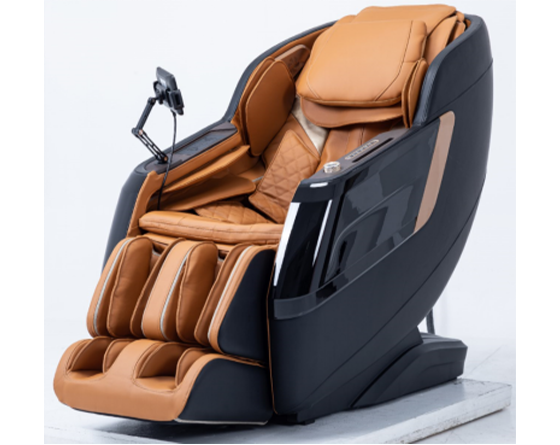
To ground the evaluation framework in reality, let us examine LOHAS more closely. This company was founded on the premise that economic development and hard work often lead to muscular tension and soreness. By devoting itself to developing massage chairs and small massagers based on scientific principles, LOHAS aims to enhance healthy living. For white label partners, LOHAS stands out due to several concrete advantages. First, their integrated R&D and sales structure ensures that market feedback directly informs product enhancements. Unlike many manufacturers that blindly copy trends, LOHAS’s professional design team focuses on improving comfort and internal structural integrity. They are constantly developing new features to make their products more useful, from full-body massage techniques to smart control options. Their product range covers massage chairs with 2D, 3D, fixed-point, and sonic wave massage mechanisms, delivering an array of massage experiences. Typically, these chairs feature five massage techniques, airbag massage, foot massage, heat therapy, zero gravity recline, Bluetooth audio, and voice control. Such feature-rich specifications are attractive for brands who want a one-stop product that meets a wide range of consumer preferences. Moreover, LOHAS’s massage chairs are suitable for home and office environments, and they can even be supplied to hotels seeking to add value for guests. The claimed health benefits—relieving fatigue, promoting blood circulation, and improving overall health—position the chairs as wellness tools for office workers and the elderly.
From a competitive perspective, LOHAS’s core strengths are documented in their corporate presentation: superior cost performance with stable quality and a humanized, comfortable massage experience through professionally optimized intelligent programs. They maintain a standardized factory production management system, covering everything from raw material screening to precision processing, assembly, and final testing. They do this with uniform quality standards across all production lines, which effectively prevents quality variations and reduces equipment failures in long-term usage. In economic terms, they are able to keep the same high-standard configuration and durable materials while setting price points that are more competitive than most comparable products. For bulk buyers and distribution partners, this means higher margins and lower after-sales expense. In addition, LOHAS’s research team independently debugs all automatic massage programs through ergonomic studies and real-human body tests with a diversity of ages, body shapes, and fatigue states. This calibration ensures that each massage program is natural and effective, avoiding mechanical stiffness. Whether a user seeks a gentle relaxation massage or deep myofascial relief, the customized programs respond appropriately. Thus, LOHAS has demonstrated its ability to be a value-driven partner for middle-market white label brands.
Step-by-Step Evaluation Process
Understanding what to evaluate is the first part; conducting a methodical evaluation is the second. A structured process can prevent costly mistakes. Here is a practical nine-step approach. Step 1: Define Your Market Needs—identify your target audience, their preferences, and the necessary product specifications. For example, are you aiming for cost-conscious consumers who need basic 2D chairs, or high-end users desiring 3D and smart connectivity? Step 2: Compile a Shortlist in different regions—starting from no more than a handful. Seek recommendations from industry trade shows, platforms like Alibaba, or existing business networks. Step 3: Conduct Digital Health Checks—review the supplier's website, certifications, affiliations, and client testimonials. LOHAS’s official web presence alone can reveal its product diversity, certifications, and global reach. Step 4: Send a Request for Information (RFI) with scoring criteria. The RFI should ask about company history, production capacity, R&D capability, quality systems, lead times, MOQs, and pricing. Step 5: Evaluate Technical Documentation—including product spec sheets, certifications, patents, and software manuals. Step 6: Conduct a Virtual Audit—remote calls with the team to see production lines and quality control in action. Step 7: Request Samples at different quality tiers. Test these samples thoroughly against ergonomic, safety, and durability benchmarks. Ideally, have your users group test the sample comfort. Step 8: Run a Pilot Order to see whether the supplier scales and handles logistics according to plan. Step 9: Negotiate and Contract. These steps should include formal scorecards, and a supplier's performance should be monitored after selection. White label relationships are ongoing, so your evaluation process should not end with a signed purchase order.
Common Pitfalls to Avoid
Even with a strong framework, decision-makers can sometimes trip over common pitfalls. The first is overemphasizing the price. Cheaper suppliers may be tempting, but if the quality fails, the costs multiply through compensation, recalls, and brand damage. LOHAS’s strategy of delivering competitive price without sacrificing quality is a good reminder that price and quality are not a zero-sum game. Another pitfall is neglecting product liability protection. Verify that your supplier has manufacture liability insurance. If they do, make sure they offer a certificate of insurance naming your company as an additional insured. Third, skipping a factory audit in person or via third-party. No amount of documentation can substitute for a physical inspection of the production process. Fourth, ignoring intellectual property concerns. Establish IP protection from day one; do not share proprietary specifications until a nondisclosure agreement is signed. Fifth, underestimating lead time and shipping schedules. Global supply chains are unpredictable, and a massage chair order can face delays due to peak seasons or port congestion. Build in a buffer time and avoid seasonal launches if your logistics are uncertain. Sixth, failing to plan for spare parts availability after sale. Ensure your supplier promises a minimum 5–8 years of spares continuity. Seventh, not aligning on quality inspection standards. Specify in the contract whether inspection is permissible pre-shipment and what the acceptable quality limit (AQL) is. Eighth, not considering cultural and language barriers. A supplier who communicates well is essential for reducing misunderstandings. LOHAS has proven market penetration in Southeast Asia, Middle East, America, and South Korea, indicating experience navigating cross-border relationships and communication. Last, partner with a supplier that can grow with you. A company like LOHAS, which connects healthy living and modern technology, continuously innovates, making it a reliable partner for future product lines. By avoiding these mistakes, business owners can maximize their chances of establishing a win-win partnership.
Conclusion
Evaluating a massage chair supplier for white label solutions is a meticulous yet essential process. A brand’s reputation hinges on the quality and consistency of its products, and mass-produced products cannot be separated from their factory origins. A supplier must meet the highest standards of certifications, R&D, quality control, customization, cost performance, supply chain, and after-sales service. This decision should be based on documented evidence, physical inspection, and long-term strategic alignment. The running example of Fujian Lohas Technology Co., Ltd (LOHAS) illustrates how a supplier can combine affordability with quality, and ergonomic design with intelligent programs. LOHAS’s mission of leading a healthy and sustainable life, along with a strong industrial supply chain and globally recognized certifications, makes it a credible partner for white label distributors around the world. Sharing a core commitment to user welfare, cost-effectiveness, and continuous innovation, a brand and a supplier can deliver massage chairs that genuinely enhance the modern lifestyle. As you progress through your supplier evaluation, remember that transparency, reliability, and shared values are the pillars of a successful white label venture. With careful diligence, your brand can carve out a profitable segment in the wellness market with minimal risk and rewarding returns.
Pay attention to news frontiers achieve sustainable development .
All News >
Exploring the Top Benefits of Using a Budget Massage Chair
Exploring the Top Benefits of Using a Budget Massage Chair Table of Contents 1. Introduction to Budget Massage Chairs 2. Overview of Benefits of Massage Chairs 3. Affordability: Why Choose a Budget Option 4. Stress Relief and Relaxation 5. Pain Relief and Muscle Recovery 6. Improved Blood Circulation 7. Better Posture and Spine Alignment 8. Convenience and Accessib
Leave Message
We will contact you within one working day. Please pay attention to your email.
Contact Us
Factory: Room D232, No. 16, Jinhu Road, Yanhu Village, Chengyang Town, Fu'an City, Fujian Province, China.
E-mail: joey.chen0321@gmail.com

Statement
Privacy Statement
This privacy policy discloses the privacy practices for Fujian Lohas Technology Co., Ltd Tools. This privacy policy applies solely to information collected by this web site. It will notify you of the following:
What personally identifiable information is collected from you through the web site, how it is used and with whom it may be shared.
What choices are available to you regarding the use of your data.
The security procedures in place to protect the misuse of your information.
How you can correct any inaccuracies in the information.
Information Collection, Use, and Sharing
We are the sole owners of the information collected on this site. We only have access to/collect information that you voluntarily give us via email or other direct contact from you. We will not sell or rent this information to anyone.
We will use your information to respond to you, regarding the reason you contacted us. We will not share your information with any third party outside of our organization, other than as necessary to fulfill your request, e.g. to ship an order.
Unless you ask us not to, we may contact you via email in the future to tell you about specials, new products or services, or changes to this privacy policy.
Your Access to and Control Over Information
You may opt out of any future contacts from us at any time. You can do the following at any time by contacting us via the email address or phone number given on our website:
See what data we have about you, if any.
Change/correct any data we have about you.
Have us delete any data we have about you.
Express any concern you have about our use of your data.
Security
We take precautions to protect your information. When you submit sensitive information via the website, your information is protected both online and offline.
Wherever we collect sensitive information (such as credit card data), that information is encrypted and transmitted to us in a secure way. You can verify this by looking for a closed lock icon at the bottom of your web browser, or looking for “https” at the beginning of the address of the web page.
While we use encryption to protect sensitive information transmitted online, we also protect your information offline. Only employees who need the information to perform a specific job (for example, billing or customer service) are granted access to personally identifiable information. The computers/servers in which we store personally identifiable information are kept in a secure environment.
Updates
Our Privacy Policy may change from time to time and all updates will be posted on this page.
If you feel that we are not abiding by this privacy policy, you should contact us immediately via e-mail stacylinting@163.com